“Discover essential health checks and warning signs for early detection. Community health nursing tips on the menstrual cycle, breast and testicular self-exams, and disease warning signs.”
Table of Contents
Testicular Self-Examination (TSE)
Testicular self-examination (TSE) is crucial for early detection of testicular cancer, which increases chances of successful treatment.
Purpose:
- Early detection of testicular cancer by identifying any abnormalities or lumps at an early stage.
Steps in Performing TSE:
- Choose a Private Room: Use a full-sized mirror for visibility.
- Positioning: Stand in front of the mirror and undress.
- Palpation Technique:
- Use both hands; place index and middle fingers under the testicle and thumb on top.
- Gently roll the testicle between the thumb and fingers in a horizontal plane.
- Feel for any lumps or irregularities.
- Palpate Upward: Repeat the gentle rolling motion along the testicle’s length.
- Identify Structures:
- Locate the epididymis. It is a cord-like structure at the top and back of the testicle. Also, locate the spermatic cord to avoid mistaking them for lumps.
- Examine Both Testicles: Repeat the steps on the other testicle. Note that it’s normal for one testicle to be slightly larger.
Key Note:
- Seek Medical Advice: If you detect any small, pea-sized lump, swelling, or if the testicle appears swollen, consult a physician.
Frequency:
- Monthly Examination: TSE should be done once a month as a simple, quick routine.
Warning Signs of Various Diseases
1. Breast Cancer
- Lump, hard knot, or thickening
- Swelling, warmth, redness, or darkening of the breast
- Changes in breast size or shape
- Dimpling or puckering of the skin
- Itchy, scaly sore, or rash on the nipple
- Pulling in of the nipple or other breast areas
- Sudden nipple discharge
- Persistent pain in one spot
2. Diabetes
- Increased thirst and hunger (even after eating)
- Dry mouth
- Frequent urination or recurring urinary infections
- Unexplained weight loss
- Fatigue or persistent tiredness
- Blurred vision
- Headache
3. Cancer (General Warning Signs – CAUTION Acronym)
- Change in bowel or bladder habits
- A sore that does not heal
- Unusual bleeding or discharge
- Thickening or lump in the breast, testicles, or other areas
- Indigestion or difficulty swallowing
- Obvious changes in warts, moles, or mouth sores
- Nagging cough or hoarseness
4. Mouth Cancer
- Persistent mouth ulcers that do not heal
- Long-standing lumps in the mouth or neck lymph glands
- Difficulty swallowing (dysphagia)
- Changes in voice
- Speech difficulties
- Unexplained weight loss
- Unexplained bleeding in the mouth
- Numbness in the mouth
- Problems with jaw movement
5. Ovarian Cancer
- Persistent back and pelvic pain
- Swollen abdomen with pain
- Persistent bloating
- Difficulty eating or feeling full quickly
- Nausea
- Frequent urination
- Bowel habit changes
- Extreme fatigue
- Abnormal vaginal bleeding
- Unexplained weight loss
6. Cervical Cancer
- Excessive or irregular vaginal bleeding
- Irregular menstrual periods
- Bleeding after intercourse
- Pain or discomfort during sex
- Postmenopausal bleeding
- Unusual or unpleasant vaginal discharge
- Persistent lower back pain
7. Dengue
- Abdominal pain or tenderness
- Persistent vomiting
- Mucosal bleeding
- Lethargy or restlessness
- Liver enlargement
8. Tuberculosis (TB)
- Persistent cough lasting over 2 weeks
- Unintentional weight loss
- Fever and night sweats
- Loss of appetite
In advanced cases: - Chest pain, pain during breathing or coughing
- Coughing up blood
9. Severe Hypertension
- Confusion or other neurological symptoms
- Nosebleeds
- Fatigue
- Blurred vision
- Chest pain
- Abnormal heartbeat
Cardinal Symptoms of Pregnancy-Induced Hypertension
- Swelling in the feet (pedal edema)
- Presence of protein in urine (proteinuria)
- Elevated blood pressure
Preeclampsia
In addition to the symptoms of pregnancy-induced hypertension:
- Abdominal pain
- Severe headache
- Rapid weight gain from fluid retention
- Altered reflexes
- Reduced or no urine output
- Dizziness
- Excessive vomiting
- Vision changes
Menstrual Cycle and Women’s Health
Overview
- Menstrual Cycle Health: Many women’s health issues are linked to normal changes or irregularities in the menstrual cycle. These can often be attributed to a lack of knowledge about the cycle, developmental changes, and factors influencing menstrual patterns.
- Community Health Nursing Role: Nurses play a vital role in educating women and adolescent girls on menstrual health. They focus on preparing them to understand menstrual changes. They help them accept these changes as a natural part of life.
Importance of Early Education
- Start Before Menarche: Teaching about the menstrual cycle should ideally begin before menarche. This is the first menstrual period. It prepares adolescents for menstruation and its lifelong changes.
- Confidence and Preparedness: Early education helps girls build confidence and view menstruation as a normal physiological process.
Menstrual Cycle Basics
- Cycle Duration: Typically occurs every 28 days, but can vary from 21 to 42 days.
- Flow Characteristics: Menstrual flow lasts 4-5 days, with an average blood loss of 50-60 mL.
Key Terms and Hormones
- Menstruation: The shedding and discharge of the uterine lining when conception does not occur.
- Menarche: The onset of menstrual function, marking the beginning of reproductive capability.
- Hormones:
- Estrogen: Develops and maintains the female reproductive system.
- Progesterone: Produced by the corpus luteum, supports pregnancy if conception occurs.
- Follicle-Stimulating Hormone (FSH): Released by the pituitary gland, stimulates estrogen production and ovulation.
- Luteinizing Hormone (LH): Promotes progesterone production.
Hormonal Interactions
- FSH and Estrogen: FSH stimulates estrogen production, which supports ovulation.
- LH and Progesterone: Elevated estrogen promotes LH secretion, leading to progesterone production.
- GnRH: Gonadotropin-releasing hormone from the hypothalamus regulates FSH and LH release.
Phases of the Menstrual Cycle & Role of Community Health Nurse
Phases of the Menstrual Cycle
- Proliferative Phase:
- Occurs just after menstruation.
- FSH levels increase, stimulating estrogen secretion.
- Endometrium thickens and becomes more vascular to prepare for potential pregnancy.
- Secretory Phase (around day 14):
- LH increases, leading to ovulation.
- Combined estrogen and progesterone stimuli cause the endometrium to further thicken with increased vascularization.
- Luteal Phase:
- Progesterone is secreted from the corpus luteum.
- If fertilization occurs: Estrogen and progesterone levels remain high, supporting pregnancy.
- If no fertilization occurs: Levels of FSH and LH decrease. This causes estrogen and progesterone to drop. As a result, the ovum disintegrates. Thickened endometrial tissue and blood are shed, resulting in menstrual flow.
- Menstrual Flow:
- The cycle restarts with the shedding of old blood, mucus, and endometrial tissue through the cervix and vagina.
Psychological Preparation for Menstruation
- Emphasize that menstruation is a natural physiological process, not an illness.
- Common symptoms may include:
- Breast tenderness.
- Mild fatigue or discomfort, especially in the lower back, legs, and pelvis.
- Mood changes on the first day.
Role of Community Health Nurse in Menstrual Education
- Cultural Sensitivity:
- Understand and respect cultural beliefs, attitudes, and practices regarding menstruation within the community.
- Educational Support:
- Promote a positive attitude towards menstruation.
- Address physical symptoms and offer practical advice.
- Lifestyle and Hygiene Recommendations:
- Exercise: Encourage regular physical activity.
- Diet: Suggest a low-fat, vegetarian diet.
- Pain Relief: Use heating pads or NSAIDs for menstrual cramps.
- Hygiene:
- Keep the body and genital area clean.
- Use clean cotton cloths or sanitary pads and change them as needed.
- Bathe at least twice daily and avoid using soiled cloths.
- Advise against excessive cramping or dysmenorrhea and suggest consultation with a gynecologist if necessary.
Breast Self-Examination (BSE): Key Points and Guidelines
Purpose of BSE
Breast self-examination (BSE) is a simple and effective way for women to detect early signs of breast cancer. Early detection increases the chance of successful treatment.
Ideal Timing for BSE
- Menstruating Women: Perform BSE between 7–10 days after the first day of the menstrual period when breasts are less tender.
- Pregnant or Post-Menopausal Women: Choose a consistent day each month for BSE.
- Breastfeeding Women: Perform BSE monthly on the same date.
Steps for Performing BSE
- Visual Inspection:
- Stand or sit undressed from the waist up in front of a mirror with arms relaxed at the sides.
- Look for any changes in breast size, shape, texture, or color.
- Note any dimpling, redness, or unusual skin or nipple changes, including scaliness, retraction, or discharge.
- Arm Movements:
- Place hands on your waist and press inward to tighten chest muscles. Turn from side to side. Observe any changes.
- Raise arms above your head and repeat the visual inspection.
- Stooping forward, observe the shape of your breasts and look for changes.
- Physical Examination:
- Use your fingers to feel for lumps or thickening around the collarbone, under the arms, and across the breast.
- Relax one arm at your side while using the opposite hand to feel under the armpit and toward the chest.
- Lie down and place a pillow under one shoulder. Use the opposite hand to examine the breast. Move in straight rows and apply varying pressure to cover all breast tissue.
- Note Nipple Discharge:
- Inspect your bra or clothing for any unusual discharge but avoid squeezing the nipple. Report any discharge to a healthcare provider.
Breast Cancer Screening Guidelines
- Women Aged 20-39:
- Monthly breast self-exam.
- Clinical breast exam by a healthcare professional every 1-3 years.
- Women Aged 40 and Older:
- Monthly breast self-exam.
- Yearly clinical breast exam by a trained health professional.
- Annual mammogram starting at age 40.
COURSES
-
Refund and Returns Policy

Last updated: September 21, 2026 Thank you for using Health Educational Media (“we,” “us,” “our,” or the “Platform”). Health Educational Media is an educational website and multi-seller marketplace providing health-related educational articles, news and updates, and educational materials for students, teachers, educators, and health science institutions. Our marketplace includes educational products created and offered by…
Read more: Refund and Returns Policy-
How to Become a Seller on Health Educational Media: Turn Your Study Notes into Income (2026 Guide)
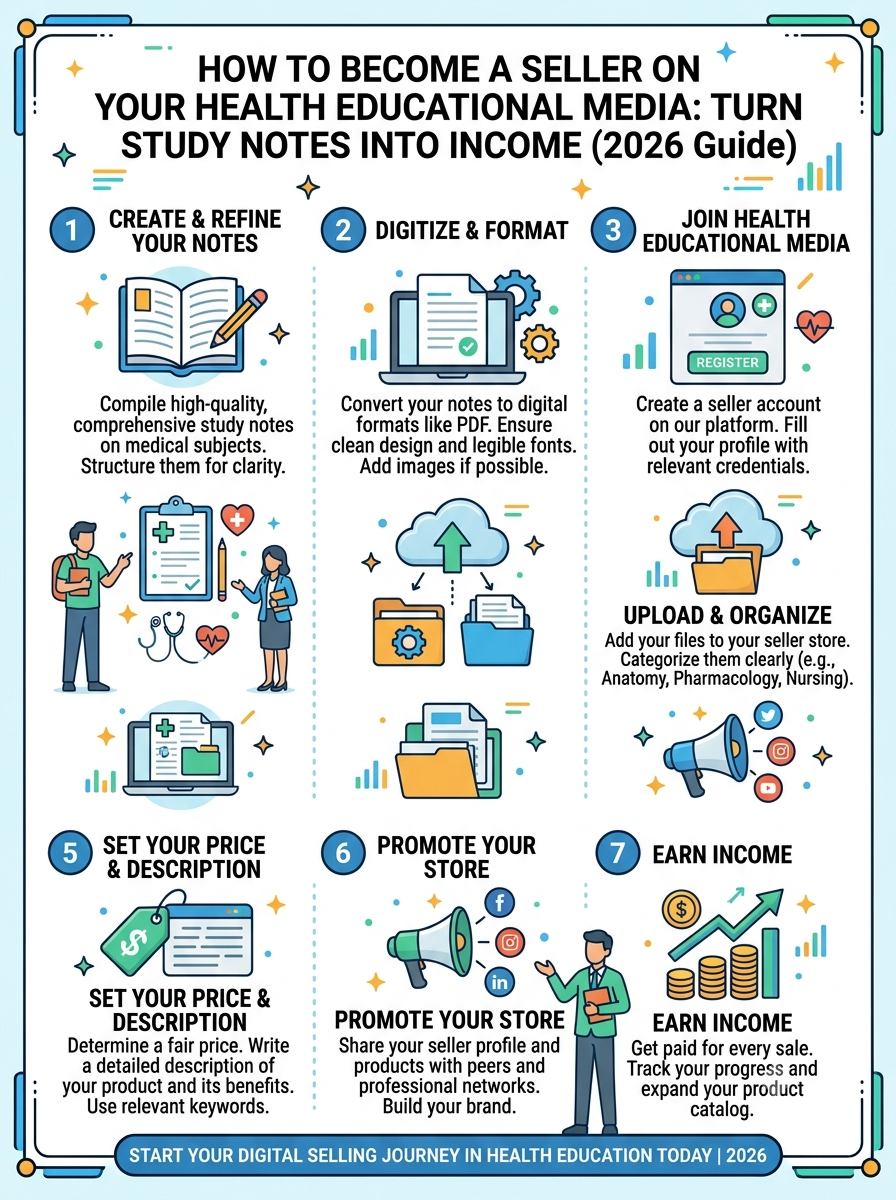
Complete guide to becoming a vendor on Health Educational Media — who can sell (students, faculty, healthcare professionals), what to sell, exact commission structure (90% to you, 10% platform), step-by-step onboarding, quality standards, and honest earning expectations. No fluff, straight answers.
-
Online Digital Selling in India 2026: The Complete Guide for Students, Faculty & Healthcare Professionals
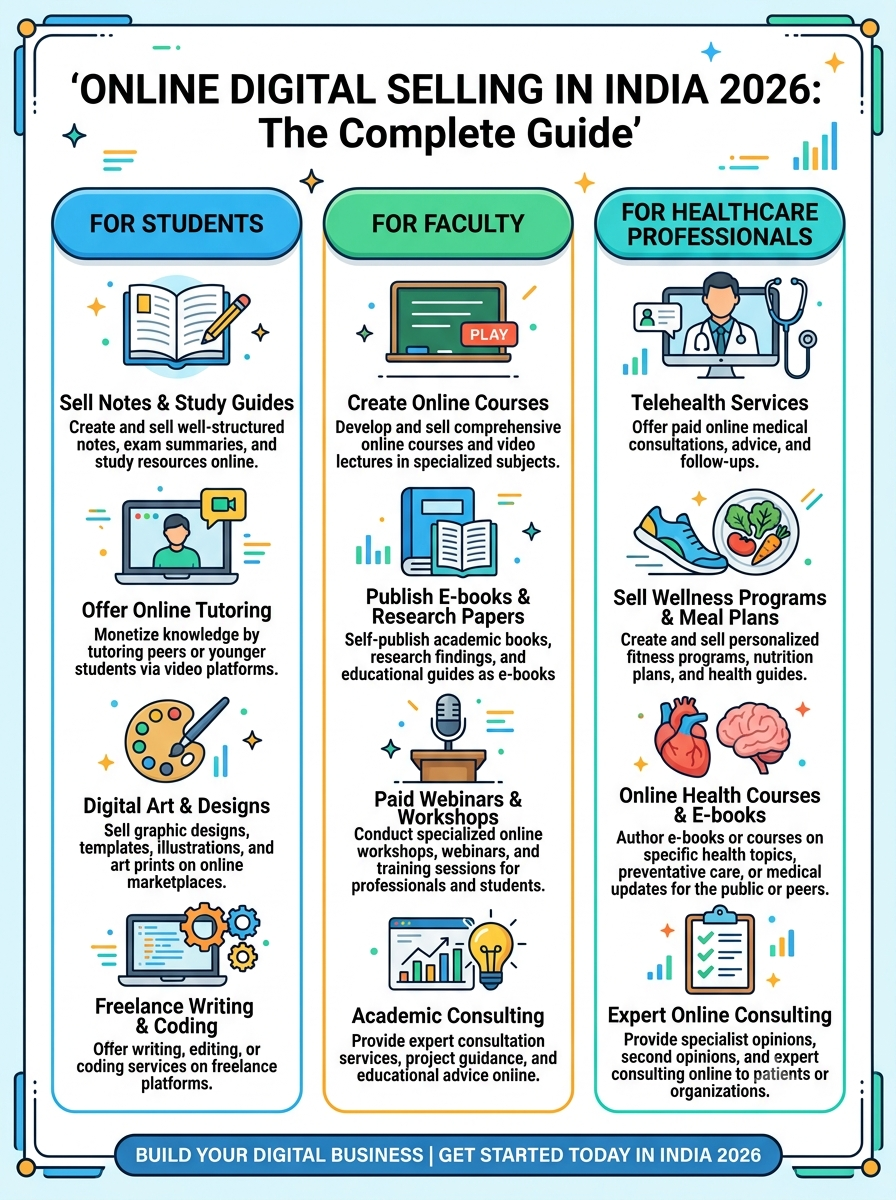
India’s digital commerce market crossed USD 185 billion in 2026. This guide explains how students, faculty, and healthcare professionals can start selling online — with real market data, government policies (Digital India, ONDC, MSME Udyam), GST rules, income tax under Section 44ADA, and a step-by-step launch plan.
-
HEALTH PLANNING, POLICIES AND PROBLEMS – INDEX

Get simplified nursing notes on India’s health planning, policies, and health-related challenges. Ideal for B.Sc and GNM students in Community Health Nursing.
-
-
Enquirey Forms
Share this post WhatsApp Facebook Telegram Twitter / X LinkedIn Email Copy link
Read more: Enquirey Forms-
How to Become a Seller on Health Educational Media: Turn Your Study Notes into Income (2026 Guide)
Complete guide to becoming a vendor on Health Educational Media — who can sell (students, faculty, healthcare professionals), what to sell, exact commission structure (90% to you, 10% platform), step-by-step onboarding, quality standards, and honest earning expectations. No fluff, straight answers.
-
Online Digital Selling in India 2026: The Complete Guide for Students, Faculty & Healthcare Professionals
India’s digital commerce market crossed USD 185 billion in 2026. This guide explains how students, faculty, and healthcare professionals can start selling online — with real market data, government policies (Digital India, ONDC, MSME Udyam), GST rules, income tax under Section 44ADA, and a step-by-step launch plan.
-
HEALTH PLANNING, POLICIES AND PROBLEMS – INDEX
Get simplified nursing notes on India’s health planning, policies, and health-related challenges. Ideal for B.Sc and GNM students in Community Health Nursing.
-
-
Vendor Onboarding
Share this post WhatsApp Facebook Telegram Twitter / X LinkedIn Email Copy link
Read more: Vendor Onboarding-
How to Become a Seller on Health Educational Media: Turn Your Study Notes into Income (2026 Guide)
Complete guide to becoming a vendor on Health Educational Media — who can sell (students, faculty, healthcare professionals), what to sell, exact commission structure (90% to you, 10% platform), step-by-step onboarding, quality standards, and honest earning expectations. No fluff, straight answers.
-
Online Digital Selling in India 2026: The Complete Guide for Students, Faculty & Healthcare Professionals
India’s digital commerce market crossed USD 185 billion in 2026. This guide explains how students, faculty, and healthcare professionals can start selling online — with real market data, government policies (Digital India, ONDC, MSME Udyam), GST rules, income tax under Section 44ADA, and a step-by-step launch plan.
-
HEALTH PLANNING, POLICIES AND PROBLEMS – INDEX
Get simplified nursing notes on India’s health planning, policies, and health-related challenges. Ideal for B.Sc and GNM students in Community Health Nursing.
-