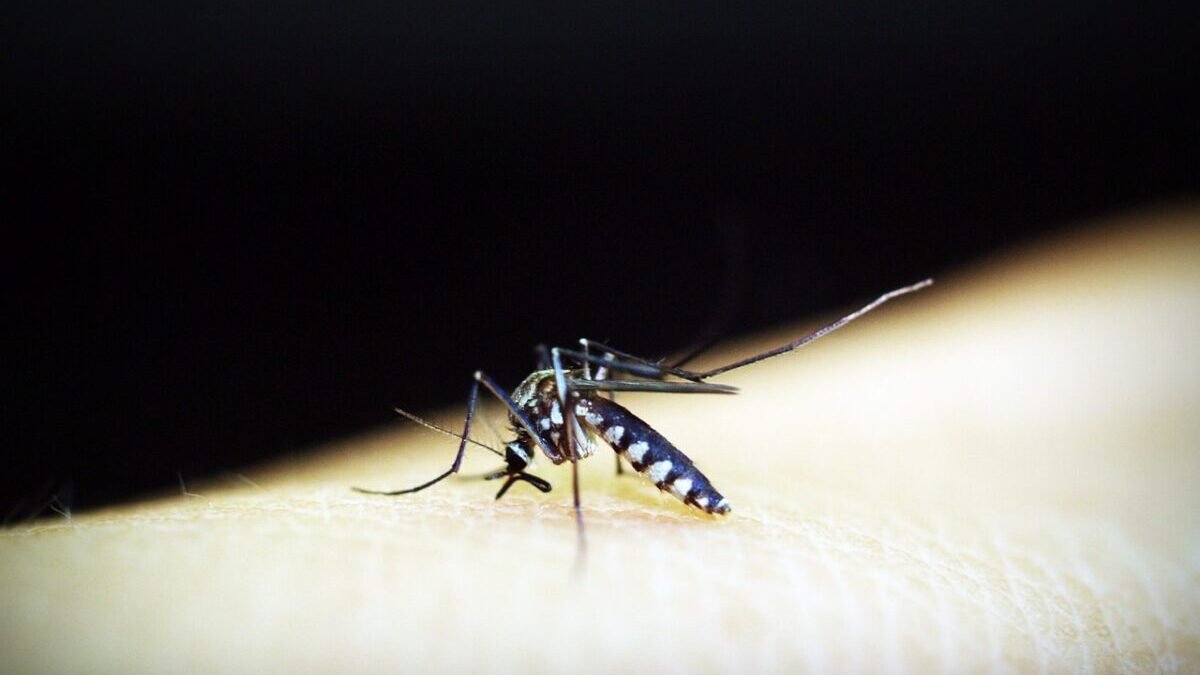
"National Malaria Control Program under NVBDCP"

“Comprehensive Guide to National Vector-Borne Diseases Control Program: Top Strategies and Key Measures for Effective Prevention”

“Learn about the National Vector-Borne Diseases Control Program, focusing on essential strategies like disease management, integrated vector management, and community health education to combat malaria, dengue, and other vector-borne diseases.”


National Vector-Borne Disease Control Program (NVBDCP)

National Vector-Borne Diseases are a significant health concern in India, with the National Vector-Borne Disease Control Program (NVBDCP) at the forefront of prevention and control efforts.”

  • Purpose: Central program for controlling diseases spread by vectors like mosquitoes and sand flies in India.
  • Diseases Covered: Malaria, Dengue, Lymphatic Filariasis, Kala-azar, Japanese Encephalitis (JE), Chikungunya.
  • Transmission: All these diseases are transmitted by mosquitoes except Kala-azar (by sand flies).

Key Strategies

  1. Disease Management:
  • Early detection and complete treatment.
  • Preparedness for epidemics and rapid response.
  1. Integrated Vector Management:
  • Indoor residual spray.
  • Use of insecticide-treated bed nets.
  • Anti-larval measures like source reduction.
  1. Supportive Interventions:
  • Health education and behavior change communication.
  • Capacity building and training.
  • Intersectoral convergence (collaboration across sectors).

"National Malaria Control Program under NVBDCP"
Flowchart of malaria diagnosis and treatment under the National Malaria Control Program.”

Malaria Control Program

  • Vision: Reduce malaria burden and aim for elimination.
  • Goal: Achieve an Annual Parasite Index (API) of <1 per 1000 population by 2017.
  • Strategies:
  • Screening all fever cases for malaria.
  • Treating all positive cases promptly and effectively.

Preventive Measures

  1. Against Larvae:
  • Use larvicides in stagnant water (e.g., Temphos, Paris green).
  1. Against Adult Mosquitoes:
  • Spray residual insecticides like DDT.
  • Use mosquito nets and repellents.
  1. Community Protection:
  • Promote protective clothing and use of mosquito mesh.
  • Educate the community about prevention and management.

Health Education

  • Essential for informing the community about the causes, spread, and prevention of vector-borne diseases.
  • Use various educational approaches for effective communication.

This summary provides a clear overview of the key points related to National Vector-Borne Diseases and their control.


National Malaria Control Program Under NVBDCP.

  • Main Goal: Control and prevent malaria through effective strategies and treatment.
  • Diagnosis & Treatment:
  • Check for malaria with blood smears (thin and thick).
  • Start treatment while waiting for lab results (presumptive treatment).
  • Follow the treatment plan based on the type of malaria detected.
  • Ensure the first dose is given under observation.
  • Role of Community Health Nurse:
  • Monitor vital signs of all patients.
  • Never ignore any case of fever.
  • Educate patients and their families about malaria.
  • Advise patients to drink plenty of water and monitor for vomiting after taking medicine.
  • If the patient shows signs of severe illness (e.g., drowsiness), refer them to the hospital immediately.
  • Follow-up: Regularly check on the patient and their family to ensure recovery and prevent further spread of malaria.

Lymphatic Filariasis Elimination Program: Simple Notes

  • Disease Overview:
  • Lymphatic filariasis, also known as elephantiasis, is a tropical disease affecting over 120 million people worldwide.
  • It causes severe disfigurement and disability in about 40 million people.
  • Program History:
  • The National Filarial Control Program (NFCP) began in 1955.
  • In 2003, it was included in the National Vector Borne Disease Control Program (NVBDCP).
  • Training and research are conducted by the National Institute of Communicable Diseases, Delhi.
  • Elimination Definition:
  • The disease is considered eliminated when less than 1% of the population carries the microfilaria, and new-borns are free from the infection.
  • Major Activities:
  • Goal: The goal is to eliminate lymphatic filariasis by 2015, as per the National Health Policy 2002.
  • Strategies:
    • Annual mass drug administration (MDA) with a single dose of antifilarial drugs like DEC and Albendazole for at least 5 years.
    • Home-based care for lymphedema and hydrocele surgeries.
    • Anti-larval and anti-mosquito measures in endemic areas.
    • Improved sanitation, including drainage facilities and preventing water stagnation.
    • Health education on environmental cleanliness and use of insect repellents.
  • Exclusions from MDA:
  • Pregnant women, children under 2 years, and seriously ill people are excluded from MDA.
  • Ongoing Efforts:
  • Microfilarial surveys and drug administration are regularly conducted to monitor progress.
  • Public awareness campaigns encourage regular treatment and home care management.

Kala-Azar Control Program:

  • Program Overview:
  • The Kala-azar control program is a centrally sponsored initiative launched in 1990-91.
  • Before the use of DDT, Kala-azar was highly endemic in India, causing significant economic harm due to high morbidity and mortality.
  • Elimination Strategies:
  • Enhanced Case Detection: Improved methods for finding and treating cases.
  • Rapid Diagnostic Kits: Introduction of PK39 kits for quick diagnosis.
  • Oral Drug “Miltefosine”: Used for treating Kala-azar.
  • Vector Control: Fogging with pyrethroid instead of DDT to eliminate sandflies.
  • Behavioral Impact Communication: Educating the community to encourage cooperation in eradication efforts.
  • Capacity Building: Strengthening the skills of healthcare providers.
  • Supervision & Monitoring: Regular checks and evaluations to ensure program effectiveness.
  • Case Search for Kala-azar:
  • Quarterly Searches: More frequent searches, called “Kala-azar fortnight surveys,” involving door-to-door visits.
  • Incentives: ASHA workers receive ₹300 per identified case and ₹100 for community support during insecticide sprays. Patients receive ₹500 during hospitalization.
  • Revised Eradication Strategy (2014):
  • New Diagnostic Tools: Introduction of RDT developed by ICMR.
  • New Treatment: Liposomal Amphotericin B (IV 10 mg-single dose) provided free by WHO.

Japanese Encephalitis (JE) Control Program:

  • Disease Overview:
  • JE is a severe disease causing up to 20,400 deaths annually worldwide.
  • Survivors often suffer from long-term neurological issues such as paralysis or seizures.
  • The disease is prevalent in rural and peri-urban areas of several Indian states.
  • Vector Control Strategies:
  • Alternate Wet and Dry Irrigation (AWDI): Helps control mosquito breeding by disrupting their lifecycle in paddy fields.
  • Biological Control: Use of natural predators like Gambusia fish to control mosquito populations.
  • Chemical Control: Application of deltamethrin, organophosphates, and carbamates to reduce mosquito numbers.
  • Health Education:
  • Community Involvement: Educate and engage communities in cleaning surroundings and eliminating mosquito breeding sites.
  • Personal Protective Measures: Wearing full-sleeved clothing, using mosquito nets, and applying repellents.
  • Management:
  • No specific treatment is available; supportive care includes feeding, airway management, and seizure control.
  • Long-term care and rehabilitation may be needed for survivors.
  • Surveillance:
  • Clinical Surveillance: Early diagnosis and management of JE patients at primary health centers.
  • Vector Surveillance: Monitoring mosquito behavior in risk areas to adapt control measures accordingly.

Dengue Control:

Overview:

  • Dengue is prevalent in tropical and subtropical regions worldwide.
  • Severe dengue is a leading cause of death among children in some Asian and Latin American countries.
  • A significant dengue outbreak occurred in Delhi in 1996.

Government Actions:

  • 311 hospitals were identified for laboratory support in endemic areas.
  • 14 Apex Referral Laboratories were linked with these hospitals for better case management.

Eight Key Elements for Dengue Prevention and Control:

  1. Surveillance:
  • Continuous monitoring in areas with Aedes aegypti and A. albopictus mosquitoes.
  • Sentinel clinics report fever cases (above 38°C) to public health authorities for further blood tests and identification.
  1. Case Management:
  • Focus on laboratory diagnosis and effective clinical management of dengue cases.
  1. Vector Management:
  • Source Reduction: Eliminate breeding sites for mosquitoes.
  • Chemical Control: Use of insecticides to control mosquito populations.
  • Personal Protection: Encourage the use of mosquito repellents and nets.
  • Legal Measures: Implement laws to enforce mosquito control efforts.
  1. Outbreak Response:
  • Epidemic Preparedness: Prepare for potential outbreaks with resources and planning.
  • Media Management: Use media to inform the public during outbreaks.
  1. Capacity Building:
  • Training: Provide training for healthcare workers.
  • Infrastructure Development: Improve facilities and resources.
  • Operational Research: Conduct research to improve dengue control methods.
  1. Behavioral Change Communication:
  • Social Mobilization: Engage the community in dengue prevention efforts.
  • Information, Education, and Communication (IEC): Spread awareness about dengue prevention.
  1. Inter-sectoral Coordination:
  • Work together with both health and non-health sectors to control dengue.
  1. Monitoring and Supervision:
  • Regular review, field visits, analysis of reports, and providing feedback for continuous improvement.

Chikungunya and Guinea Worm Disease Control:

Chikungunya Overview:

  • The name “Chikungunya” comes from the Kimakonde language, meaning “to become contorted,” referring to the joint pain and stooped posture it causes.
  • Chikungunya has spread to over 60 countries, especially in Asia.
  • Prevention, control, and surveillance strategies are similar to those used for Dengue.

Role of Community Health Nurse in Chikungunya Control:

  1. Environmental Control:
  • Educate the community on reducing mosquito-breeding sites by eliminating water-filled containers, both natural and artificial.
  1. Personal Protective Measures:
  • Wear clothing that minimizes skin exposure to mosquito bites.
  • Treat clothes with permethrin to repel mosquitoes if possible.
  • Apply mosquito repellents containing DEET to exposed skin.
  • Use insecticide-treated mosquito nets and mosquito coils to prevent indoor bites.
  • Install insect screens on windows and doors to keep mosquitoes out.

Guinea Worm Disease (Eradication Program) Overview:

  • Guinea worm disease is a disabling parasitic disease that was common in rural areas with step-wells.
  • The last case in India was reported in 1996.
  • The World Health Organization (WHO) declared India and other South East Asian countries free of Guinea worm disease.

Key Activities in Guinea Worm Eradication:

  1. Health Education:
  • Focus on educating rural women and children about preventing Guinea worm disease.
  1. Rumor Registration and Investigation:
  • Keep track of any rumors about Guinea worm cases and investigate them thoroughly.
  1. Surveillance:
  • Continue monitoring areas previously infected with Guinea worm.
  • Maintain Guinea worm disease on the notified list of diseases.
  1. Safe Water Supply:
  • Ensure the proper functioning of hand pumps and other safe drinking water sources to prevent the spread of the disease.
(more…)

Read More

"Vital Signs Procedure: Blood Pressure, Temperature, and Pulse Measurement"

“Essential Guide to Vital Signs Procedure: Accurate Blood Pressure, Temperature, and Pulse Measurement”

“Learn the essential steps for the vital signs procedure, including accurate blood pressure measurement, temperature assessment, and pulse measurement. Ensure patient safety and effective care.”

Vital Signs Procedure: Temperature, Pulse, and Respiration (TPR)

Table: TPR Procedure and Rationale

Sl. No.Steps of ProcedureRationale
1Explain the procedure to the client.To relieve anxiety and build an interpersonal relationship.
2Collect all articles needed for the procedure.Saves time and energy.
3Wash hands thoroughly.Minimizes the risk of cross-infection.
4Provide privacy for the client (axillary/rectal).Ensures client comfort and maintains dignity.
5Prepare the thermometer:
5aIf in disinfectant, rinse in plain water.Removes antiseptic solution to avoid tissue irritation.
5bWipe with a dry cotton swab, from bulb to stem.Wiping from least contaminated to most contaminated area prevents infection.
5cShake down the thermometer below 96°F (36.5°C).Ensures an accurate reading.
5dLubricate thermometer (rectal route).Reduces friction and promotes comfort for the client.
Caption: Table: TPR (Temperature, Pulse, Respiration) Procedure and Rationale – This table outlines the steps involved in measuring temperature, pulse, and respiration, along with the rationale for each step to ensure accurate and safe assessment of vital signs.

Checking the Temperature:

Oral Method:

  1. Place the thermometer in the right/left sublingual area.
  2. Instruct the patient to close their mouth around the thermometer.
  3. Hold the thermometer in place for 2-3 minutes.

Axillary Method:

  1. Check the axilla for sweating; if present, dry it.
  2. Place the bulb of the thermometer in the center of the axilla.
  3. Position the arm tightly across the chest.
  4. Hold the thermometer in place for 3-5 minutes.

Rectal Method:

  1. Don gloves for protection.
  2. Instruct the patient to breathe deeply.
  3. Insert the lubricated thermometer gently:
  • 3.54 cm in adults.
  • 2.5 cm in children.
  • 1.5 cm in infants.
  1. Hold the thermometer in place for 1-2 minutes.
  2. Do not force insertion to avoid injury.

This table and the procedure ensure proper technique and safety when measuring vital signs, which is crucial for accurate assessment and patient comfort.

Pulse Measurement Procedure

Steps for Assessing Pulse

Step No.Steps of ProcedureRationale
1Select the appropriate peripheral site based on assessment data.Ensures the most accessible and accurate pulse point is chosen.
2Move the patient’s clothing to expose only the chosen site.Maintains patient dignity while keeping the rest of the body warm.
3Place the index, middle, and ring fingers over the artery.Ensures maximum sensitivity to detect pulsations.
4Lightly compress the artery to feel the pulsations.Prevents excessive pressure that could occlude the pulse.
5Feel the pulsation of the artery.Allows for accurate counting of the pulse rate.
6Ensure the warmest area in the mouth is used for temperature measurement.Reflects true body temperature accurately.
7Prevent air from entering the measurement site.Ensures an accurate reading by minimizing external temperature influence.
8Expose only the site for pulse assessment.Keeps the patient warm and maintains privacy.
9Encourage the patient to take a deep breath.Relaxes the external sphincter and facilitates easy insertion of the thermometer (if applicable).
10Ensure safety and accuracy of measurement.Reduces the risk of injury or inaccurate readings.
11To prevent cross-infection, use gloves as necessary.Protects both the patient and the healthcare provider.
Caption: Steps for Assessing Pulse – This guide outlines the essential steps for accurately measuring a patient’s pulse, including techniques for ensuring proper technique and reliable results.

Respiration Measurement Procedure

Steps for Assessing Respiration

Step No.Steps of ProcedureRationale
1Using a watch with a second hand, count the number of pulsations felt for 1 minute.Ensures accuracy of measurement and assessment of pulse rate.
2While your fingers are still in place for the pulse measurement, observe the patient’s respirations.Allows for a seamless transition to respiratory assessment without drawing attention.
3Note the rise and fall of the patient’s chest.A complete cycle of an inspiration and expiration constitutes one respiration.
4Using a watch with a second hand, count the number of respirations for 1 minute.Provides a precise count for assessing the respiratory rate.
5Remove the thermometer and wipe off secretions from the stem to bulb in a rotary manner using a cotton ball.Ensures cleanliness and prevents cross-contamination.
6Read the temperature by holding the thermometer at eye level.Promotes accurate reading of the temperature.
7Shake down the mercury level if necessary.Resets the thermometer for accurate future readings.
8Clean the thermometer using soap and water from stem to bulb.Maintains hygiene and prevents infection.
9Store the thermometer in a disinfectant solution.Ensures the thermometer is sanitized and safe for future use.
10Inform the client about their temperature as per requirement.Keeps the client informed and involved in their health care.
11Wash hands and replace articles after completing the procedures.Ensures proper infection control and hygiene practices.
12Record temperature, pulse, and respiration.Documentation is essential for tracking patient health.
13Report to the physician if needed.Ensures timely medical intervention if abnormal readings are noted.
Caption: Steps for Assessing Respiration – This guide details the necessary steps for accurately measuring a patient’s respiration rate, ensuring a reliable assessment of respiratory health.

Blood Pressure Measurement Procedure

Table: Procedure for Blood Pressure Measurement

Step No.Steps of ProcedureRationale
1Check physician’s order, nursing care plan, and progress notes.Obtains any specific instruction or information needed for accurate assessment.
2Explain the procedure and reassure the patient.Obtains patient’s consent and cooperation, and relieves anxiety.
3Ensure the patient has not smoked, ingested caffeine, or engaged in strenuous activity within 30 minutes prior to the procedure.Smoking and caffeine can increase blood pressure.
4Wash and dry hands.Prevents cross-infection.
5Assist the patient to either a sitting or lying down position, ensuring legs are not crossed.Ensures comfort and obtains an accurate reading.
6Collect and check equipment.Ascertains evidence of malfunction to ensure accurate measurements.
7Position the sphygmomanometer at approximately heart level, ensuring the mercury level is at zero.Helps obtain an accurate reading.
8Select a cuff of appropriate size.Ensures that the compression bladder width is at least 20% wider than the circumference of the extremity used.
9Expose the arm to ensure no constrictive clothing is present above cuff placement.Ensures accurate reading by preventing obstruction of blood flow.
10Apply the cuff approximately 2.5 cm above the point where the brachial artery can be palpated.Ensures accurate placement of the cuff.
11Wrap the cuff smoothly and firmly, ensuring the middle of the rubber bladder is directly over the artery.Ensures accurate reading; wrapping too tightly may impede circulation, while too loosely may lead to falsely elevated pressure.
12Secure the cuff by locking the end under the Velcro fastener.Ensures the cuff remains in place during measurement.
13Place the entire arm at the patient’s heart level and keep it well rested and supported.Ensures comfort and accuracy of the reading.
14Position yourself comfortably.Allows for better focus and control during the procedure.
15Connect the cuff tubing to the manometer and close the valve of the inflation bulb.Prepares for inflation and measurement.
16Palpate the radial pulse and inflate the cuff until the pulse is obliterated.Ensures accurate determination of systolic pressure.
17Inflate the cuff an additional 20-30 mm of mercury and then deflate slowly.Prepares to accurately measure the systolic pressure.
18Note the point at which the pulse reappears and release the valve.Indicates the systolic pressure.
19Palpate the brachial artery and place the diaphragm of the stethoscope lightly over it.Ensures accurate detection of Korotkoff sounds.
20Ensure that the ear pieces of the stethoscope are placed correctly.Maximizes sound transmission for accurate reading.
21Raise the mercury level 20-30 mm of mercury above the estimated systolic pressure.Avoids missing the first sound heard during deflation.
22Release the valve of the inflation bulb, allowing the mercury column to fall at 2-4 mm of mercury per second.Ensures a controlled rate of deflation for accurate readings.
23When the first sound is heard, note the mercury level; this denotes systolic pressure.Confirms the systolic reading.
24Continue to deflate the cuff until the sounds muffle; this indicates diastolic pressure.Confirms the diastolic reading.
25Deflate the cuff completely, disconnect the tubing, and remove the cuff from the patient’s arm.Concludes the measurement process.
26Repeat the procedure after one minute if there is any doubt about the reading.Ensures accuracy of measurements if there were any uncertainties.
27Ensure that the patient is comfortable.Promotes patient satisfaction and well-being.
28Remove equipment and clean the earpiece with a clean swab.Prevents cross-infection and maintains hygiene.
29Wash and dry hands.Ensures proper infection control.
30Document the reading in the appropriate observation chart or flow chart.Essential for tracking and monitoring patient health.
31Report any abnormal findings to the physician.Ensures timely intervention and appropriate patient care.
Caption: Table: Procedure for Blood Pressure Measurement – This table outlines the systematic steps for accurately measuring blood pressure, along with the rationale for each step to ensure effective patient assessment and safety.
(more…)

Read More

Blood Pressure Facts and Stages

Top 5 Blood Pressure Facts: Understanding Systolic and Diastolic Pressure for Better Health

“Learn the key facts about blood pressure, including the importance of systolic and diastolic pressure, normal ranges, and hypertension stages. Stay informed for better heart health.”

Blood Pressure:

Definition:
Blood pressure (BP) is the force of blood against the walls of blood vessels as it flows through them. BP is recorded as two numbers: systolic and diastolic pressure.

Normal Characteristics:

  • Systolic Pressure: The highest pressure when the heart (left ventricle) contracts and pushes blood into the aorta.
  • Diastolic Pressure: The lowest pressure when the heart is at rest between beats.
  • Pulse Pressure: The difference between systolic and diastolic pressure, indicating the health of arterial walls.

Age-Related Blood Pressure Variations:

Age GroupBP (mm Hg)
Newborn73/55
1-3 years90/55
6-8 years95/75
10 years102/62
Teens102/80
Adults120/80
>70 years120/80
“Age-Related Blood Pressure Variations: Normal BP Ranges for Different Age Groups”

Alterations in Blood Pressure:

  • Hypotension: Low BP with systolic pressure below 100 mm Hg.
  • Orthostatic Hypotension: Sudden BP drop when standing up.
  • Hypertension: Elevated BP of 140/90 mm Hg or higher.

Hypertension Classification:

CategoryBP (mm Hg)
NormalSBP 90-119 and DBP 60-79
PrehypertensionSBP 120-139 or DBP 80-89
Stage 1 HTNSBP 140-159 or DBP 90-99
Stage 2 HTNSBP ≥160 or DBP ≥100
“Hypertension Classification: Blood Pressure Categories and Ranges”

Special Types of Hypertension:

  • Malignant Hypertension: Very high BP that rises quickly, with diastolic pressure often above 130 mm Hg.
  • White Coat Hypertension: High BP in medical settings due to anxiety.
  • Isolated Systolic Hypertension: High systolic BP (>140) with normal diastolic BP (<90).

Factors Affecting Blood Pressure

  1. Age:
  • BP is lowest at birth, rises during adolescence, and slightly decreases with age.
  • In the elderly, BP often increases due to higher peripheral vascular resistance.
  1. Time of Day:
  • BP is low in the morning, rises by 5-10 mm Hg by late afternoon, and decreases during sleep.
  1. Gender:
  • Women generally have lower BP than men of the same age. After menopause, women’s BP tends to increase compared to men’s.
  1. Food Intake:
  • BP increases after eating.
  1. Exercise:
  • Physical activity raises systolic BP.
  1. Body Build:
  • BP is typically higher in obese individuals compared to those who are thinner.
  1. Emotions:
  • Emotions like anger, fear, excitement, and pain can increase BP.
  1. Posture:
  • BP is lower in a lying (supine) position compared to sitting or standing.
  1. Disease Conditions:
  • Diseases affecting the circulatory system, kidneys, cranial tumors, and increased intracranial pressure (ICP) can alter BP.
  1. Drugs:
    • Some drugs, like narcotics, can increase BP, while others, like nitroglycerin and muscle relaxants, can decrease it.
  2. Climate:
    • BP tends to be lower in tropical climates with high temperatures and higher in polar climates with low temperatures.

Normal BP Range:

  • Average BP for a healthy adult: 120/80 mm Hg.
  • Systolic pressure above 150 or below 90 mm Hg is considered abnormal.
  • Venous pressure can vary from 40-110 mm Hg.

BP Conditions:

  • Hypertension: Abnormally high BP.
  • Hypotension: Abnormally low BP.
(more…)

Read More

"Illustration showing common sites to check pulse including wrist, neck, and foot"

7 Crucial Insights into Pulse: Mastering Pulse Rate, Influencing Factors, and Detecting Abnormalities

Explore a comprehensive guide on Pulse, including pulse rate, factors affecting it, and common abnormalities. Essential reading for understanding pulse in healthcare

PULSE

The pulse is the alternating expansion (rise) and recoil (fall) of an artery as blood is forced through it during the contraction of the left ventricle. It can be felt at specific points where an artery crosses a bone near the surface of the skin.

When the left ventricle contracts, it pushes approximately 70 ml of blood into the arteries. The elasticity of the artery walls allows them to expand as the blood is forced into them. The arteries then relax as the wave of blood passes, only to expand again with the next heartbeat. This expansion and recoil create the pulse, which is an indication of heart rate frequency.

Common Sites to Feel the Pulse:

  1. Radial Artery: Located in front of the wrist.
  2. Temporal Artery: Found over the temporal bone.
  3. Carotid Artery: Situated at the sides of the neck.
  4. Brachial Artery: Above the elbow and in the antecubital fossa (inner part of the elbow).
  5. Femoral Artery: Located in the groin.
  6. Popliteal Artery: Found in the popliteal fossa (back of the knee).
  7. Dorsalis Pedis Artery: On the foot.
  8. Posterior Tibial Artery: Behind the medial malleolus.

Characteristics of the Normal and Abnormal Pulse

Normal Pulse Characteristics:

The normal characteristics of the pulse include the rate (number of beats per minute), rhythm (regularity or equal spacing of the beats), volume (fullness of the artery), and tension (degree of compressibility of an artery).

  • Rate: The normal resting adult pulse rate is 60 to 100 beats per minute. A pulse rate over 100 beats per minute is termed tachycardia, while a pulse rate below 60 beats per minute is termed bradycardia.

Table – Normal Pulse Rates by Age:

Age GroupNormal Pulse Rate (beats per minute)
Before Birth (F.H.S)140 to 150
At Birth (Newborn)130 to 140
First Year115 to 130
Second Year100 to 115
Third Year90 to 100
4 to 8 Years86 to 90
8 to 15 Years80 to 86
Adult70 to 80
Old Age60 to 70
Normal Pulse Rates by Age
  • Rhythm: Rhythm refers to the regularity of the pulse beats. A normal pulse has beats spaced at equal intervals, known as a regular rhythm. An irregular rhythm, where the intervals between beats vary, requires counting the pulse for a full minute.
  • Volume: Volume refers to the fullness of the artery felt with each beat. A pulse with a full or large volume indicates a good amount of blood flow, while a weak, thready, or small volume may indicate decreased blood volume, as seen in hemorrhage.
  • Tension: Tension refers to the compressibility of the artery. High tension indicates an artery that is difficult to compress, while low tension indicates easy compressibility.

Frequency of Taking Pulse:

The frequency of pulse checks depends on the patient’s condition. For stable patients, pulse is usually checked twice daily, along with temperature. More frequent monitoring is required for patients who are critically ill, post-surgery, or have experienced accidents. The frequency is often determined by a doctor’s orders, such as in cases of hyperthyroidism where the pulse may be recorded during sleep.

Alterations in Pulse

Abnormalities in Rate:

  • Tachycardia: Pulse rate over 100 beats per minute.
  • Bradycardia: Pulse rate below 60 beats per minute.

Alterations in Rhythm:

  • Arrhythmia: Any variation from the normal rhythm, indicating an irregular pulse.
  • Dysarrhythmias: Variations in the intervals between beats.
  • Intermittent Pulse: Pulse where beats are missed at regular intervals, often indicating a pulse deficit (difference between apical and radial pulse).
  • Extrasystoles: Premature cardiac contractions occurring before they are normally due in the cardiac cycle.
  • Atrial Fibrillation: Rapid contractions of the atrium causing irregular ventricular contractions in both rhythm and force.
  • Ventricular Fibrillation: Rapid twitching of the ventricles, which is fatal.
  • Sinus Arrhythmia: Condition where the pulse rate is rapid during inspiration and slow during expiration.
  • Dicrotic Pulse: One heart beat with two arterial pulsations, giving the sensation of a double beat.

Volume Alterations:

  • Water Hammer Pulse (Corrigan’s Pulse or Collapsing Pulse): A full-volume pulse that rapidly collapses, seen in aortic regurgitation or incompetence.
  • Bounding Pulse: Increased stroke volume, as seen in exercise, anxiety, anemia, hepatic failure, heart block, and water hammer pulse.
  • Pulsus Alternans: Regular rhythm but alternating strong and weak pulse volumes, seen in left ventricular failure, heart block, and digitalis toxicity.
  • Bigeminal Pulse: Accompanied by an intermittent pulse and often seen in hemorrhage, shock, or severe fluid loss (e.g., diarrhea and vomiting).
  • Paradoxical Pulse: A pulse that weakens during inspiration and strengthens during expiration, often indicating cardiac damage.

Factors Affecting Pulse

The pulse rate can be influenced by a variety of factors, including age, gender, body build, exercise, food intake, posture, emotional state, application of heat, pain, body temperature, disease conditions, medications, and cold applications. Below is an overview of how these factors impact the pulse rate:

  1. Age:
  • Young individuals: Tend to have a rapid pulse rate.
  • Adults: Normal pulse range is 70-80 beats per minute.
  • Elderly: Often have a slower pulse rate.
  1. Gender:
  • Females: Generally have a slightly more rapid pulse rate than males.
  1. Body Build:
  • Short, small-built individuals: Typically have a slightly faster pulse rate.
  • Tall, heavy individuals: Often have a slower pulse rate.
  1. Exercise:
  • Increased muscular activity: Leads to a higher pulse rate.
  1. Food Intake:
  • After eating: The pulse rate may increase slightly for several hours due to digestion.
  1. Posture:
  • Standing: The pulse rate is higher.
  • Sitting or reclining: The pulse rate tends to be lower.
  1. Emotions/Stress:
  • Stress, mental, or emotional disturbances: Temporarily increase the pulse rate.
  1. Application of Heat:
  • Heat: Can lead to an increase in the pulse rate.
  1. Pain:
  • Severe pain: Causes an increased pulse rate.
  1. Body Temperature:
    • Elevated body temperature or fever: Increases the pulse rate due to a higher metabolic rate.
  2. Disease Conditions:
    • Hyperthyroidism, cardiomyopathy, loss of blood, injury, shock: Increase the pulse rate.
    • Hypothyroidism: Decreases the pulse rate.
    • Heart diseases, infections (e.g., typhoid): Have marked effects on the pulse rate.
  3. Medications:
    • Positive chronotropic drugs (e.g., caffeine, atropine, thyroid hormones, adrenaline): Increase pulse rate.
    • Negative chronotropic drugs (e.g., Digitalis – Digoxin, beta-adrenergic blockers, calcium channel blockers): Decrease pulse rate.
  4. Cold Applications:
    • Cold applications: Can reduce the pulse rate.
    • Hypothermia: Can lead to a significantly lower pulse rate.

Table: Factors Influencing Pulse Rate

FactorIncreases Pulse RateDecreases Pulse Rate
TemperatureFever, HeatHypothermia
ExerciseShort-term exerciseLong-term exercise: results in lower resting pulse and quicker return to resting level after exercise
EmotionsSympathetic stimulation due to acute pain, anxietyParasympathetic stimulation due to unrelieved severe pain, relaxation
MedicationsPositive chronotropic drugs (e.g., epinephrine)Negative chronotropic drugs (e.g., Digitalis, beta-adrenergic blockers, calcium channel blockers)
HemorrhageSympathetic stimulation due to loss of blood
Postural ChangesStanding or sittingLying down
Pulmonary ConditionsDiseases causing poor oxygenation (e.g., asthma, COPD)
Factors Influencing Pulse Rate

These factors are essential considerations in assessing pulse rate as they can significantly impact the results and inform the appropriate care and treatment strategies for patients.

(more…)

Read More

"Healthcare professional performing physiological assessment and checking vital signs including temperature"

PHYSIOLOGICAL ASSESSMENT IN NURSING FOUNDATION :1 YEAR GNM

What is Meaning of Physiological Assessment ?
A process in nursing where a patient’s overall appearance and physical condition are evaluated to assess their health status. This includes checking for normal development, nutritional status, signs of illness (like jaundice or cyanosis), and the presence of any missing or artificial body parts.

VITAL SIGNS

NORMAL, ABNORMAL CHARACTERISTICS, FACTORS INFLUENCING THE VARIATIONS

Definition:

Vital Signs:
Vital signs are key indicators of a person’s overall health, comprising temperature, pulse, respiration, and blood pressure. These measurements reflect the functioning of vital organs and can reveal deviations from normal body functions, indicating potential health issues.

Important Points:

  • Vital Signs Include: Temperature, pulse, respiration, and blood pressure.
  • Normal Ranges in Adults:
  • Temperature: 98.6°F (37°C)
  • Pulse: 70-80 beats per minute
  • Respiration: 16-20 breaths per minute
  • Blood Pressure: 120/80 mm Hg
  • Significance: Vital signs are governed by vital organs and detect deviations from normal body functions.
  • Health Indicators: Variations can indicate problems like oxygen depletion, electrolyte imbalance, or infections.
  • Diagnosis and Treatment: Observations help in diagnosing diseases and assessing the effectiveness of treatments.
  • Emotional Impact: A patient’s emotional state can also affect vital sign readings.

Definition: Temperature

Body Temperature:
Body temperature is the degree of heat maintained by the body, representing the balance between heat produced and heat lost. It is regulated by thermogenesis (heat production) and thermolysis (heat loss), primarily controlled by the hypothalamus.

Important Points:

  • Definition: Body temperature = Heat produced – Heat lost.
  • Regulation Mechanisms:
  • Thermogenesis: Chemical regulation through heat production.
  • Thermolysis: Physical regulation through heat loss.
  • Control Center: The hypothalamus in the brain regulates body temperature by responding to thermal receptors that detect temperature changes.

Physiology of Body Temperature:

  • Heat Production:
  • Metabolism:
    • Carbohydrates: 4 calories/gram
    • Proteins: 4 calories/gram
    • Fats: 9 calories/gram
  • Exercise: Increases heat production due to faster metabolism and energy release from glycogen.
  • Heat Loss Mechanisms:
  • Through the Skin:
    • Vasodilation increases blood flow to the skin, leading to heat loss via:
    • Conduction: Heat transfer through direct contact.
    • Convection: Heat transfer through moving air or liquid.
    • Radiation: Heat transfer through electromagnetic waves (60% of heat loss).
    • Evaporation: Heat loss through sweating (540 calories/gram of water).
  • Through the Lungs:
    • Inhaled air warms to body temperature; approximately 300 ml of water vapor is lost daily.
  • Through the Kidneys:
    • Urine absorbs heat from the body, leading to heat loss during excretion.
  • Through the Bowels:
    • Feces absorb heat, resulting in heat loss during defecation.

Characteristics of Normal and Abnormal Temperature

Normal Variation in Body Temperature:

  • Normal Range: 97°F to 99°F (36.1°C to 37.2°C).
  • Factors Influencing Variation:
  1. Time of Day: Lower in the morning, higher in the evening.
  2. Menstrual Cycle: Sudden drop during menstruation; rises after ovulation.
  3. Age: Younger individuals tend to have higher temperatures than older adults.
  4. Measurement Site:
    • Rectal: 99.6°F (37.5°C) – highest.
    • Oral: 98.6°F (37°C).
    • Axillary: 97.6°F (36.4°C) – lowest.

Alterations in Temperature:

A. Pyrexia (Fever):

  • Body temperature rises above normal due to an increased regulatory set-point (normal range: 36.5°C to 37.5°C or 98°F to 100°F).
  • Common types:
    • Continuous Fever: Elevated temperature remains constant (e.g., pneumonia, typhoid).
    • Remittent Fever: Elevated temperature fluctuates but remains above normal (e.g., infective endocarditis).
    • Intermittent Fever: Fever present for specific periods (e.g., malaria).
    • Relapsing Fever: Alternating short fever and normal temperature periods.
    • Fever Spike: Rapid temperature rise to fever level, then back to normal within hours.
  • Classification of Fever:
    • Low Pyrexia: 99-100°F (37.2-37.8°C).
    • Moderate Pyrexia: 100-103°F (37.8-39.4°C).
    • High Pyrexia: 103-105°F (39.4-40.6°C).
    • Hyperpyrexia: Above 105°F.
    • Subnormal Temperature: Below 95°F (35°C).
    • Irregular Fever: Cannot be classified under known types.

B. Hypothermia:

  • Core body temperature falls below 95°F (35°C).

C. Hyperpyrexia:

  • Very high fever (above 106°F or 41.5°C) caused by infection or central nervous system issues.

D. Hyperthermia:

  • Body temperature rises to 105°F (40.6°C) or higher, with an unchanged regulatory set point.

E. Heat Stroke:

  • Severe hyperthermia with body temperature above 104°F (40°C).

Factors Affecting Body Temperature

  1. Fluid and Food Intake:
  • Food provides energy, and metabolism generates heat. Prolonged fasting can lower body temperature.
  1. Stress:
  • Physical and emotional stress increases body temperature due to hormonal and neural stimulation, leading to increased metabolism.
  1. Age:
  • Infants and children experience rapid temperature changes. Older adults have lower body temperatures due to loss of subcutaneous fat.
  1. Gender:
  • Women experience greater fluctuations in body temperature due to hormonal changes, particularly during the menstrual cycle.
  1. Hormonal Levels:
  • Hormonal variations, especially during menstruation and ovulation, can affect body temperature.
  1. Exercise:
  • Increased muscle activity raises blood supply and metabolism, causing an increase in heat production. Prolonged exercise can temporarily raise body temperature up to 105.8°F (41°C).
  1. Circadian Rhythms:
  • Body temperature follows a 24-hour cycle, being lower in the morning and peaking between 4 PM and 7 PM.
  1. Environmental Factors:
  • Exposure to hot or cold environments can influence body temperature. It’s essential to wait at least 15 minutes after activities like bathing, drinking hot or cold beverages, or smoking to obtain a reliable temperature reading.
  1. Illness, Injury, or Infection:
  • Pyrogens can alter the hypothalamic set point, causing fever. The body’s defense mechanisms activate during infections, raising temperature.
  1. Dehydration:
    • Conditions like diarrhea and vomiting can lead to lower body temperature if not managed properly.
  2. Fluid Loss:
    • Sweating and perspiration lower body temperature through evaporation.
  3. Clothing:
    • Wearing warm clothes in cold weather helps maintain normal body temperature, while exposure to extreme temperatures can cause variations.
  4. Drugs and Alcohol:
    • Antipyretics (e.g., aspirin) lower elevated body temperature, while substances like alcohol and some medications may raise or lower temperature readings.

Assessing Temperature

1. Clinical Thermometer:

A clinical thermometer is a specialized instrument designed to measure body temperature. It is available in both Fahrenheit and Celsius scales.

Parts:

  • Bulb:
  • Contains mercury and is sensitive to temperature changes.
  • Different sizes and shapes exist; oral thermometers have long, slender bulbs, while rectal thermometers have short, fat bulbs, often with colored bulbs for easy identification.
  • Stem:
  • A hollow inner tube where mercury rises or falls with temperature changes.
  • The graduated scale on the stem ranges from 35°C (95°F) to 43.3°C (110°F).

Care of Thermometers:

To prevent damage to thermometers, follow these guidelines:

  • Shaking Down Mercury:
  • Grasp the upper end of the stem, never hold the bulb. Shake down the mercury with a quick wrist movement.
  • Avoid letting the thermometer fall or strike anything.
  • Cleaning:
  • Do not wash with hot water; this can expand the mercury and break the thermometer.
  • Rinse with clean water, dry the bulb and stem, and store with the bulb down on a smooth surface (e.g., cotton).
  • Usage:
  • Do not place the thermometer in the mouth of a person who cannot understand instructions or hold it in place.
  • Disinfection:
  • Wash with soap and water and disinfect with a suitable solution. Disinfectant Strength Time Dettol 1:40 5 mins Savlon 1:20 5 mins Lysol 1:40 3 mins Fairgenol 1:40 5 mins

Celsius and Fahrenheit Scales:

Body temperature can be recorded in both Celsius and Fahrenheit. To convert between the two scales, use the following formulas:

To Convert Fahrenheit to Celsius:

Formula : C = (F-32) * 5 / 9

To Convert Celsius to Fahrenheit:

Formula : F = C * 9 / 5 + 32

2. Electronic or Digital Thermometer

Electronic thermometers are designed to measure body temperature conveniently, safely, quickly, and accurately. They are precise, easy to read and use, and do not contain mercury.

Common Sites for Taking Body Temperature:

To obtain an accurate measurement, the bulb of the thermometer must be surrounded by body tissue and in proximity to blood vessels. Contact with clothing, air, or moisture can affect the reading. Common sites include:

  1. Mouth
  2. Axilla (Armpit)
  3. Groin
  4. Rectum
  5. Vagina

A. Temperature by Mouth:

Advantages:

  • Good blood supply under the tongue allows for an accurate reading.
  • Reduced chance of the bulb coming in contact with outside air.
  • Easy to hold under the tongue, minimizing the risk of dropping.
  • No need for privacy.

Disadvantages:

  • The nurse may not know the thermometer’s exact position; incorrect placement could lead to false readings.
  • Children or unconscious individuals may bite the thermometer, risking breakage.
  • Inadequately cleaned thermometers pose a risk of cross-infection.
  • Residual disinfectant may affect taste if not properly rinsed.

Contraindications:

  • Clients who are extremely nervous, delirious, or unable to follow instructions.
  • Patients experiencing convulsions.
  • Mouth breathers.
  • Injuries or inflammation in the mouth.
  • Weak patients unable to hold the thermometer.
  • Children under six years old.
  • Temperature should not be taken within 15 minutes after eating, drinking, smoking, or chewing.

B. Temperature by Axilla:

Advantages:

  • Less discomfort for the client.

Disadvantages:

  • Moisture from perspiration can lead to false readings.
  • Incorrect placement can result in exposure to air or clothing, affecting accuracy.

Indications:

  • Oral inflammation or jaw surgery.
  • Clients who cannot breathe through the nose (mouth breathers).
  • Irrational clients.

Contraindications:

  • Any surgery or lesions in the axilla.

C. Temperature by Rectum:

Advantages:

  • The rectal method is highly reliable, as it has a rich blood supply and is not influenced by external air.
  • Correct positioning yields accurate readings.

Disadvantages:

  • Requires client privacy.
  • Needs lubrication for the bulb.
  • Potential for soiling the nurse’s hands.
  • Fecal matter can lead to false readings.

Indications:

  • When oral and axillary methods are contraindicated.

Contraindications:

  • Patients with rectal surgery or inflammation.
  • Patients experiencing diarrhea.
  • When the rectum is impacted with fecal matter.
  • Patients undergoing treatments like bowel washes or enemas.

Frequency of Taking Temperature in Hospitals:

  • For stable patients, temperature is typically taken in the morning and evening.
  • Patients who are acutely ill, experiencing high fever, or post-operative may require temperature checks every four hours or more frequently.
  • If temperature is taken rectally or axillary, it should be clearly documented in the patient’s chart.
(more…)

Read More

nurses Up to 5 innovative community health services showcase the pivotal role of in driving healthier communities, despite existing difficulties

Table of Contents

5 Government Health Insurance Schemes Transforming India: A Comprehensive Guide

Outline

HeadingsSub-Headings
IntroductionThe Global and National Health Care Financial Burden
The Role of Health Insurance in Reducing Poverty
Definitions of Health InsuranceVishwanathan’s Perspective
Bhat and Reuben’s Definition
Mavalankar and Bhat’s Insights
Historical Context of Health Insurance in IndiaEarly Beginnings and the Insurance Act of 1912
Evolution and Nationalization in 1972
The Introduction of Mediclaim Policy in 1986
The Impact of IRDA Act 1999
Current Landscape of Health Insurance in IndiaThe Role of Private and Public Players
Challenges in Health Insurance Coverage
Government Health Insurance SchemesOverview of Key Schemes
Employees’ State Insurance Scheme (ESIS)
Central Government Health Scheme (CGHS)
Universal Health Insurance Scheme
Rashtriya Swasthya Bima Yojana (RSBY)
Pradhan Mantri Jan Arogya Yojana (PM-JAY)
Employees’ State Insurance Scheme (ESIS)Objectives and Coverage
Eligibility Criteria
Benefits and Implementation
Central Government Health Scheme (CGHS)Objectives and Coverage
Eligibility Criteria
Benefits and Implementation
Universal Health Insurance SchemeObjectives and Coverage
Eligibility Criteria
Benefits and Implementation
Rashtriya Swasthya Bima Yojana (RSBY)Objectives and Coverage
Eligibility Criteria
Benefits and Implementation
Pradhan Mantri Jan Arogya Yojana (PM-JAY)Objectives and Coverage
Eligibility Criteria
Benefits and Implementation
Impact of Government Health Insurance SchemesReducing Out-of-Pocket Expenditure
Enhancing Accessibility and Affordability
Case Studies and Success Stories
Challenges and Future DirectionsIncreasing Awareness and Coverage
Addressing Premium Costs and Accessibility
Policy Recommendations for Improvement
FAQsWhat is the primary objective of government health insurance schemes?
How do I apply for health insurance under these schemes?
Who is eligible for the Employees’ State Insurance Scheme (ESIS)?
What are the benefits of the Central Government Health Scheme (CGHS)?
How does Rashtriya Swasthya Bima Yojana (RSBY) support low-income families?
What challenges do these schemes face in implementation?
ConclusionSummary of Key Points
The Future of Health Insurance in India
health insurance scheme

5 Government Health Insurance Schemes Transforming India: A Comprehensive Guide

Financial burdens due to healthcare costs are a significant issue worldwide, pushing millions into poverty annually. In India, higher healthcare spending is a major factor driving people into financial distress. Reducing ‘out-of-pocket expenditure’ through health insurance coverage is a critical strategy in addressing this issue. This article delves into the government health insurance schemes transforming India’s healthcare landscape.

Introduction

The Global and National Health Care Financial Burden

Healthcare costs are a global challenge, with around 100 million people becoming impoverished every year due to medical expenses. In India, the high cost of healthcare is a primary driver of poverty, making it essential to find solutions that reduce out-of-pocket expenses.

The Role of Health Insurance in Reducing Poverty

Health insurance serves as a vital tool in reducing financial burdens by providing coverage for medical expenses. This protection helps prevent families from falling into poverty due to unexpected health crises.

Definitions of Health Insurance

Vishwanathan’s Perspective

Vishwanathan (1996) defines health insurance as a measure of social security, ensuring community members receive benefits for maintaining health and accessing medical care when sick.

Bhat and Reuben’s Definition

According to Bhat and Reuben (2001), health insurance provides financial protection against healthcare costs arising from unexpected illness or injury.

Mavalankar and Bhat’s Insights

Mavalankar and Bhat (2000) describe health insurance narrowly as the advance purchase of health coverage through premiums, and broadly as financing arrangements that reduce or eliminate expenses at the time of service use.

Historical Context of Health Insurance in India

Early Beginnings and the Insurance Act of 1912

Health insurance in India dates back to 1912 with the introduction of the first Insurance Act. This laid the foundation for structured health insurance policies in the country.

Evolution and Nationalization in 1972

The insurance industry saw significant changes in 1972 when it was nationalized, bringing 107 private companies under the General Insurance Corporation (GIC) umbrella.

The Introduction of Mediclaim Policy in 1986

The Mediclaim Policy introduced by GIC in 1986 marked the first major health insurance program in India, providing coverage for hospitalization expenses.

The Impact of IRDA Act 1999

The Insurance Regulatory and Development Authority (IRDA) Act of 1999 opened the market to private and foreign players, fostering competition and innovation in the health insurance sector.

Current Landscape of Health Insurance in India

The Role of Private and Public Players

Both private and public entities play crucial roles in the health insurance market. Government schemes aim to provide coverage to the underserved, while private players offer diverse products tailored to different needs.

Challenges in Health Insurance Coverage

Despite the progress, health insurance coverage in India remains low due to factors such as lack of awareness, high premiums, and the predominance of a privatized health system.

Government Health Insurance Schemes

Overview of Key Schemes

The Indian government has launched several health insurance schemes to provide affordable healthcare to its citizens. Key schemes include:

  • Employees’ State Insurance Scheme (ESIS)
  • Central Government Health Scheme (CGHS)
  • Universal Health Insurance Scheme
  • Rashtriya Swasthya Bima Yojana (RSBY)
  • Pradhan Mantri Jan Arogya Yojana (PM-JAY)

Employees’ State Insurance Scheme (ESIS)

Objectives and Coverage

The Employees’ State Insurance Scheme (ESIS) was formulated under the Employees State Insurance Act of 1948. Managed by the Employees State Insurance Corporation (ESIC), this scheme provides socio-economic protection to workers and their dependents. It offers protection against loss of wages due to sickness, maternity, disability, and death caused by employment injuries.

Eligibility Criteria

Originally, ESIS covered all power-using non-seasonal factories employing ten or more workers. It was later extended to include non-power-using factories with 20 or more employees.

Benefits and Implementation

ESIS provides both medical and cash benefits, ensuring comprehensive protection for employees. The scheme covers various services, including hospitalization, medical care, and financial compensation during periods of incapacity.

Central Government Health Scheme (CGHS)

Objectives and Coverage

Introduced in 1954, the Central Government Health Scheme (CGHS) is a contributory health insurance scheme that provides comprehensive medical care to central government employees and their families.

Eligibility Criteria

The scheme covers central government employees, pensioners, and their dependents, ensuring they receive comprehensive healthcare services.

Benefits and Implementation

CGHS offers medical care at all levels, including outpatient and inpatient services, home visits, and free medicines. The scheme operates through a network of public facilities, including exclusive allopathic, ayurvedic, homeopathic, and unani dispensaries.

Universal Health Insurance Scheme

Objectives and Coverage

Launched in 2003, the Universal Health Insurance Scheme aims to protect poor people from the financial burden of healthcare costs. For a nominal premium, the scheme provides coverage for hospitalization and medical expenses.

Eligibility Criteria

The scheme targets poor families, offering coverage for individuals, families of five, and families of seven at different premium rates.

Benefits and Implementation

The scheme provides health coverage for an assured sum of ₹30,000. However, it has faced challenges such as lack of awareness, difficulties in premium payment, and identification of eligible families.

Rashtriya Swasthya Bima Yojana (RSBY)

Objectives and Coverage

Announced in 2007, Rashtriya Swasthya Bima Yojana (RSBY) is a central government scheme providing health insurance coverage for Below Poverty Line (BPL) families. The scheme aims to protect BPL households from financial liabilities arising from health shocks requiring hospitalization.

Eligibility Criteria

BPL families are eligible for RSBY, with coverage extending to five family members, including the head of household, spouse, and up to three dependents.

Benefits and Implementation

RSBY provides hospitalization coverage up to ₹30,000 for most diseases requiring hospitalization. Beneficiaries pay a registration fee of ₹30, while the central and state governments cover the premium.

Pradhan Mantri Jan Arogya Yojana (PM-JAY)

Objectives and Coverage

Launched under the Ayushman Bharat scheme, PM-JAY aims to provide health coverage to over 100 million vulnerable families. The scheme offers up to ₹5 lakh per family per year for secondary and tertiary care hospitalization.

Eligibility Criteria

PM-JAY targets economically disadvantaged families identified by the Socio-Economic Caste Census (SECC).

Benefits and Implementation

The scheme covers a wide range of medical treatments, providing cashless and paperless

access to healthcare services across India.

Impact of Government Health Insurance Schemes

Reducing Out-of-Pocket Expenditure

These schemes significantly reduce the financial burden on families by covering a substantial portion of healthcare costs, preventing impoverishment due to medical expenses.

Enhancing Accessibility and Affordability

Government health insurance schemes improve access to quality healthcare services for economically disadvantaged populations, ensuring affordability and inclusivity.

Case Studies and Success Stories

Numerous success stories highlight the positive impact of these schemes, showcasing how they have transformed lives by providing timely and affordable healthcare.

Challenges and Future Directions

Increasing Awareness and Coverage

Efforts must be made to raise awareness about health insurance schemes and their benefits, especially in rural and underserved areas.

Addressing Premium Costs and Accessibility

Reducing premium costs and enhancing accessibility through innovative solutions and public-private partnerships can further expand coverage.

Policy Recommendations for Improvement

Policymakers should focus on streamlining processes, enhancing infrastructure, and ensuring transparency to improve the effectiveness of health insurance schemes.

FAQs

What is the primary objective of government health insurance schemes?

The primary objective is to reduce out-of-pocket healthcare expenses and provide affordable healthcare access to all citizens, especially the economically disadvantaged.

How do I apply for health insurance under these schemes?

Applications can be made through official government portals or at designated enrollment centers. Specific documentation and eligibility criteria must be met.

Who is eligible for the Employees’ State Insurance Scheme (ESIS)?

Employees working in non-seasonal factories employing ten or more workers (power-using) or 20 or more workers (non-power-using) are eligible.

What are the benefits of the Central Government Health Scheme (CGHS)?

CGHS provides comprehensive medical care, including outpatient and inpatient services, home visits, free medicines, and diagnostic services.

How does Rashtriya Swasthya Bima Yojana (RSBY) support low-income families?

RSBY offers hospitalization coverage up to ₹30,000 for BPL families, reducing financial liabilities from health emergencies.

What challenges do these schemes face in implementation?

Challenges include lack of awareness, high premiums, difficulties in identifying eligible beneficiaries, and limited accessibility in rural areas.

Conclusion

Summary of Key Points

Government health insurance schemes in India play a crucial role in reducing financial burdens and improving healthcare access for millions. These schemes offer comprehensive coverage, ensuring affordability and inclusivity.

The Future of Health Insurance in India

Continued efforts are needed to expand coverage, increase awareness, and improve the effectiveness of health insurance schemes. Public-private partnerships and innovative solutions will be key in addressing existing challenges and enhancing the healthcare system.


7 Essential Government-Sponsored Socially Oriented Insurance Schemes: Secure Your Future


Outline

HeadingsSub-Headings
IntroductionImportance of Social Security Schemes
Role of Insurance in Financial Protection
Janashree Bima Yojana (JBY)Overview and Objectives
Eligibility Criteria
Benefits and Premium Details
Aam Aadmi Bima Yojana (AABY)Overview and Objectives
Eligibility Criteria
Benefits and Premium Details
Merged Aam Aadmi Bima Yojana (AABY)Merger Details and Objectives
Eligibility Criteria
Benefits and Premium Details
Pradhan Mantri Suraksha Bima Yojana (PMSBY)Overview and Objectives
Eligibility Criteria
Benefits and Premium Details
Sukanya Samriddhi SchemeOverview and Objectives
Eligibility Criteria
Benefits and Contribution Details
Atal Pension Yojana (APY)Overview and Objectives
Eligibility Criteria
Benefits and Contribution Details
Pradhan Mantri Jeevan Jyoti Bima Yojana (PMJJBY)Overview and Objectives
Eligibility Criteria
Benefits and Premium Details
Pradhan Mantri Jan Dhan Yojana (PMJDY)Overview and Objectives
Eligibility Criteria
Benefits and Account Details
Additional Investment SchemesPost Office Time Deposits and Bank FDs
Kisan Vikas Patra
Impact of Socially Oriented Insurance SchemesReducing Financial Burdens
Enhancing Economic Stability
Case Studies and Success Stories
Challenges and Future DirectionsIncreasing Awareness and Coverage
Improving Accessibility and Affordability
Policy Recommendations for Enhancement
FAQsWhat are the main benefits of government-sponsored insurance schemes?
How do I apply for these insurance schemes?
Who is eligible for the Janashree Bima Yojana?
What is the contribution required for the Atal Pension Yojana?
How does the Pradhan Mantri Jeevan Jyoti Bima Yojana support families?
What challenges do these schemes face in implementation?
ConclusionSummary of Key Points
The Future of Social Security in India
government sponsored socially insurance schemes

7 Essential Government-Sponsored Socially Oriented Insurance Schemes: Secure Your Future

Financial security is a critical aspect of ensuring a stable and comfortable life, especially for the economically vulnerable. Government-sponsored socially oriented insurance schemes provide vital protection and peace of mind, helping individuals and families cope with unexpected financial burdens. This article explores seven key schemes that are transforming lives across India.

Introduction

Importance of Social Security Schemes

Social security schemes are essential for providing financial stability and protection against unforeseen events. They play a crucial role in reducing poverty and enhancing the quality of life for millions.

Role of Insurance in Financial Protection

Insurance acts as a safety net, offering coverage for various risks such as health issues, accidents, and death. It helps individuals and families manage expenses during emergencies without falling into financial distress.

Janashree Bima Yojana (JBY)

Overview and Objectives

Launched on August 10, 2000, Janashree Bima Yojana (JBY) replaced the Social Security Group Insurance Scheme (SSGIS) and Rural Group Life Insurance Scheme (RGLIS). It aims to provide life insurance protection to people below or marginally above the poverty line, covering 45 occupational groups.

Eligibility Criteria

  • Age: 18 to 59 years
  • Membership: Must be a member of one of the 45 identified occupational groups

Benefits and Premium Details

  • Natural Death: ₹30,000
  • Death/Total Permanent Disability due to Accident: ₹75,000
  • Partial Permanent Disability due to Accident: ₹37,500
  • Premium: ₹200 per member annually, with 50% met by the Social Security Fund and the remaining 50% by the member or Nodal Agency

Aam Aadmi Bima Yojana (AABY)

Overview and Objectives

AABY, launched on October 2, 2007, is a social security scheme for rural landless households. It provides life insurance coverage to the head of the family or an earning member in the family.

Eligibility Criteria

  • Age: 18 to 59 years
  • Household: Rural landless families

Benefits and Premium Details

  • Natural Death: ₹30,000
  • Death/Permanent Total Disability due to Accident: ₹75,000
  • Partial Permanent Disability due to Accident: ₹37,500
  • Scholarship: ₹100 per month for up to two children studying in 9th to 12th standard
  • Premium: ₹200 per person annually, shared equally by the Central and State Governments

Merged Aam Aadmi Bima Yojana (AABY)

Merger Details and Objectives

In 2013, the AABY and JBY schemes were merged to form a unified Aam Aadmi Bima Yojana, streamlining the benefits and coverage under a single scheme.

Eligibility Criteria

  • Age: 18 to 59 years
  • Membership: Members of the identified occupational groups or rural landless families

Benefits and Premium Details

The merged scheme retains the benefits and premium details of the individual schemes, providing comprehensive coverage to a broader population.

Pradhan Mantri Suraksha Bima Yojana (PMSBY)

Overview and Objectives

PMSBY is an accident insurance scheme launched to provide accidental death and disability coverage, particularly benefiting individuals exposed to higher risk professions.

Eligibility Criteria

  • Age: 18 to 70 years
  • Bank Account: Must have a savings account in participating banks

Benefits and Premium Details

  • Accidental Death and Full Disability: ₹2 lakh
  • Partial Disability: ₹1 lakh
  • Premium: ₹12 per year

Sukanya Samriddhi Scheme

Overview and Objectives

The Sukanya Samriddhi Scheme encourages savings for the education and marriage of girl children, offering attractive interest rates and tax benefits.

Eligibility Criteria

  • Age: Girl child below 10 years
  • Contribution: Minimum ₹1,000 annually, maximum ₹1.5 lakh

Benefits and Contribution Details

  • Guaranteed annual returns of 9.2%
  • Contributions are eligible for tax deductions under Section 80C of the Income Tax Act
  • Maturity benefits for the girl child’s education and marriage

Atal Pension Yojana (APY)

Overview and Objectives

APY aims to provide a fixed pension to the unorganized sector after retirement, encouraging long-term savings.

Eligibility Criteria

  • Age: 18 to 40 years
  • Contribution: Regular contributions until the age of 60

Benefits and Contribution Details

  • Monthly pension ranging from ₹1,000 to ₹5,000, depending on the contribution
  • Example: A 40-year-old subscriber must contribute ₹291 per month for 20 years for a ₹1,000 monthly pension

Pradhan Mantri Jeevan Jyoti Bima Yojana (PMJJBY)

Overview and Objectives

PMJJBY offers term life insurance coverage to individuals, providing financial support to families in the event of the policyholder’s death.

Eligibility Criteria

  • Age: 18 to 70 years
  • Bank Account: Must have a savings account in participating banks

Benefits and Premium Details

  • Death Benefit: ₹2 lakh to dependents
  • Premium: ₹330 per year

Pradhan Mantri Jan Dhan Yojana (PMJDY)

Overview and Objectives

PMJDY is a national mission to provide universal access to banking facilities, with a focus on financial inclusion.

Eligibility Criteria

  • All individuals belonging to economically weaker sections

Benefits and Account Details

  • No minimum balance requirement for savings account
  • Rupay ATM-cum-debit card with in-built accident and life covers of ₹1 lakh and ₹30,000 respectively

Additional Investment Schemes

Post Office Time Deposits and Bank FDs

  • Eligibility: Anyone with a bank account or Aadhar card
  • Investment Details: Minimum investment for post office time deposits is ₹200 with no cap; yields range from 8.4% to 8.5% for one to five-year deposits

Kisan Vikas Patra

  • Eligibility: All individuals
  • Investment Details: Minimum investment of ₹1,000 with no maximum limit; secure interest rate of 8.7% with the promise to double the investment in 100 months

Impact of Socially Oriented Insurance Schemes

Reducing Financial Burdens

These schemes significantly reduce the financial burden on individuals and families, providing vital support during emergencies and life events.

Enhancing Economic Stability

By offering financial protection and encouraging savings, these schemes enhance the economic stability of beneficiaries.

Case Studies and Success Stories

Numerous success stories highlight the positive impact of these schemes, showcasing how they have transformed lives by providing timely and affordable financial security.

Challenges and Future Directions

Increasing Awareness and Coverage

Efforts must be made to raise awareness about these schemes and their benefits, especially in rural and underserved areas.

Improving Accessibility and Affordability

Reducing premium costs and enhancing accessibility through innovative solutions and public-private partnerships can further expand coverage.

Policy Recommendations for Enhancement

Policymakers should focus on streamlining processes, enhancing infrastructure, and ensuring transparency to improve the effectiveness of social security schemes.

FAQs

What are the main benefits of government-sponsored insurance schemes?

Government-sponsored insurance schemes provide financial security, reduce out-of-pocket expenses, and offer peace of mind through coverage for health, accidents, and life events.

How do I apply for these insurance schemes?

Applications can be made through official government portals or at designated enrollment centers. Specific documentation and eligibility criteria must be met.

Who is eligible for the Janashree Bima Yojana?

Individuals aged 18 to 59 who are members of one of the 45 identified occupational groups are eligible.

What is the contribution required for the Atal Pension Yojana?

Contributions vary based on the desired pension amount. For a ₹1,000 monthly pension, a 40-year-old must contribute ₹291 per month for 20 years.

How does the Pradhan Mantri Jeevan Jyoti Bima Yojana support families?

PMJJBY provides a death benefit of ₹2 lakh to dependents in the event of the policyholder’s death, offering financial support during difficult times.

What challenges do these schemes face in implementation?

Challenges include lack of awareness, difficulties in premium payment, and limited accessibility in rural areas.

Conclusion

Summary of Key Points

Government-sponsored socially oriented insurance schemes play a crucial role in providing financial security and improving the quality of life for millions. These schemes offer comprehensive coverage, ensuring affordability and inclusivity.

The Future of Social Security in India

Continued efforts are needed to expand coverage, increase awareness, and improve the effectiveness of social security schemes. Public-private partnerships and innovative solutions will be key in addressing existing challenges and enhancing the healthcare system.


8 Vital Roles of School Health Services: Ensuring a Healthier Future for Children


Outline

HeadingsSub-Headings
IntroductionImportance of School Health Services
The Evolution of Child Health Care
Health Status of School Children in IndiaPrevalence of Common Health Issues
Survey Findings on Mortality and Morbidity Rates
Historical Context of School Health Services in IndiaBhore Committee Report
Formation of School Health Committee in 1960
Recommendations and Suggestions
Special Needs of School ChildrenHealth Guidance
Education in Group Living
Aims and Objectives of School Health ServicesComprehensive Health Care Programs
Promoting Growth and Development
Raising Health Consciousness
Components of School Health ProgramsHealth Teaching and Education
Maintenance of a Health-Giving Environment
Comprehensive Health Care
Role of the Community Health Nurse in School Health ProgramsLiaison Between School, Home, and Community
Coordinator and Organizer
Counselor and Educator
Functions of the School Health NurseMaintaining Health Records
Identifying At-Risk Children
Providing Immunizations and Treatments
Comprehensive Health Care in SchoolsHealth Promotion
Health Protection
Curative and Rehabilitative Services
Challenges and Future DirectionsEnhancing Awareness and Access
Improving Health Infrastructure
FAQsWhat are the main objectives of school health services?
How do school health nurses support children’s health?
What are common health issues among school children?
How are health programs implemented in schools?
What challenges do school health services face?
ConclusionSummary of Key Points
The Future of School Health Services in India
School health services

8 Vital Roles of School Health Services: Ensuring a Healthier Future for Children

The health and well-being of school-age children are pivotal to the future of any community. School health services play an essential role in maintaining and promoting the health of children, addressing their unique physical, mental, and social needs. This article explores the vital roles and functions of school health services and the community health nurse, emphasizing the importance of comprehensive health care programs in schools.

Introduction

Importance of School Health Services

School health services are crucial for the early detection and prevention of health issues among children. These services ensure that children grow and develop in a healthy environment, ultimately shaping their future well-being and success.

The Evolution of Child Health Care

The concept of child health care has evolved significantly, starting from the prenatal period and continuing through childhood and school years. Modern school health programs encompass a wide range of services aimed at promoting overall health and preventing diseases.

Health Status of School Children in India

Prevalence of Common Health Issues

Surveys indicate that Indian school children face high rates of morbidity and mortality. Common health issues include dental ailments, malnutrition, worm infestations, skin diseases, eye diseases, pulmonary tuberculosis, addictions, and various cardiovascular, genitourinary, and gastrointestinal diseases.

Health IssuePrevalence
Dental ailments70-90%
Malnutrition40-75%
Worm infestations20-40%
Skin diseases10%
Eye diseases4-8%
Pulmonary TB4-5%
Addictions1-10%
Cardiovascular, genitourinary, gastrointestinal diseases4.7%
health status of school children

Survey Findings on Mortality and Morbidity Rates

India faces significant challenges in child health, with high rates of both mortality and morbidity among school-age children. Addressing these issues requires comprehensive and well-implemented school health services.

Historical Context of School Health Services in India

Bhore Committee Report

In 1946, the Bhore Committee noted the absence of school health services in India, highlighting the need for a structured approach to child health care in schools.

Formation of School Health Committee in 1960

The Government of India constituted a School Health Committee in 1960 to assess the health and nutritional standards of school children. This committee’s recommendations laid the foundation for modern school health services.

Recommendations and Suggestions

The 1961 School Health Committee report provided numerous recommendations for improving the health and nutrition of school children, emphasizing the need for comprehensive health care programs in schools.

Special Needs of School Children

Health Guidance

School children undergo significant physical, mental, emotional, and social changes. Health guidance during this formative period is crucial for their overall development.

Education in Group Living

School provides a unique environment where children learn to interact, play, travel, and engage in group activities. Education in group living is essential for their social development and teamwork skills.

Aims and Objectives of School Health Services

Comprehensive Health Care Programs

The primary aim of school health services is to provide comprehensive health care programs for school-age children. These programs focus on preventive, promotive, and curative aspects of health care.

Promoting Growth and Development

School health services aim to promote the growth and development of children, ensuring they reach their full physical and mental potential.

Raising Health Consciousness

Educating children about health and hygiene fosters a sense of health consciousness, encouraging them to adopt healthy habits that last a lifetime.

Components of School Health Programs

Health Teaching and Education

Health education is a critical component of school health programs, teaching children about personal hygiene, nutrition, physical fitness, and the prevention of diseases.

Maintenance of a Health-Giving Environment

Creating and maintaining a healthy school environment is essential for the well-being of children. This includes ensuring proper sanitation, clean drinking water, and safe recreational facilities.

Comprehensive Health Care

Comprehensive health care in schools includes regular medical check-ups, immunizations, treatment of minor ailments, and follow-up care for chronic conditions.

Role of the Community Health Nurse in School Health Programs

Liaison Between School, Home, and Community

The community health nurse acts as a bridge between the school, home, and community, ensuring that children receive consistent and coordinated health care.

Coordinator and Organizer

The school health nurse organizes health clinics, parent-teacher meetings, and health education sessions, coordinating efforts to provide the best possible care for children.

Counselor and Educator

As a counselor and educator, the school health nurse provides guidance on health matters, plans health talks, and educates children and parents on various health issues.

Functions of the School Health Nurse

Maintaining Health Records

The school health nurse maintains comprehensive health records for all students, tracking their growth, development, and any health issues.

Identifying At-Risk Children

Using checklists and regular assessments, the school health nurse identifies children at risk of health problems and provides timely interventions.

Providing Immunizations and Treatments

The nurse administers immunizations, treats minor ailments, and ensures follow-up care for children with health issues.

Comprehensive Health Care in Schools

Health Promotion

Health promotion activities include environmental sanitation, health education, good nutrition, and physical exercises that promote overall well-being.

Health Protection

Health protection measures involve immunizations, accident prevention, and ensuring a safe school environment.

Curative and Rehabilitative Services

Curative services address immediate health issues, while rehabilitative services provide support for children with physical or mental disabilities, ensuring they receive appropriate care and education.

Challenges and Future Directions

Enhancing Awareness and Access

Increasing awareness about the importance of school health services and improving access to these services are crucial for their success.

Improving Health Infrastructure

Investing in better health infrastructure, including well-equipped school clinics and trained health personnel, is essential for providing quality health care to school children.

FAQs

What are the main objectives of school health services?

The main objectives are to provide comprehensive health care, promote growth and development, raise health consciousness, and prevent and control diseases among school children.

How do school health nurses support children’s health?

School health nurses support children’s health by maintaining health records, identifying at-risk children, providing immunizations and treatments, and educating students and parents about health issues.

What are common health issues among school children?

Common health issues include dental ailments, malnutrition, worm infestations, skin diseases, eye diseases, pulmonary tuberculosis, and various cardiovascular, genitourinary, and gastrointestinal diseases.

How are health programs implemented in schools?

Health programs are implemented through regular medical check-ups, health education sessions, immunizations, treatment of minor ailments, and maintaining a healthy school environment.

What challenges do school health services face?

Challenges include lack of awareness, limited access to services, inadequate health infrastructure, and insufficient training for health personnel.

Conclusion

Summary of Key Points

School health services play a vital role in promoting the health and well-being of children, addressing their unique physical, mental, and social needs. Comprehensive health care programs and the active involvement of school health nurses are essential for the success of these services.

The Future of School Health Services in India

Continued efforts are needed to enhance awareness, improve access, and invest in health infrastructure. By doing so, school health services can ensure a healthier future for India’s children, enabling them to reach their full potential.

The Vital Role of Industrial Nursing: Safeguarding Worker Health and Well-being

Meta-Description: Discover the vital role of industrial nursing in safeguarding worker health and well-being. Learn about occupational health, the responsibilities of industrial nurses, and the comprehensive services provided in industrial settings.


Outline

HeadingsSub-Headings
IntroductionImportance of Industrial Nursing
Historical Context and Challenges
Occupational Health at the WorkplaceDefinition and Aim of Occupational Health
Key Elements of Occupational Environment
Occupational Hazards and DiseasesPhysical Hazards
Chemical Hazards
Biological Hazards
Mechanical Hazards
Psychosocial Hazards
Role of the Industrial NurseMedical Supervision and Coordination
Health Education and Promotion
Control of Communicable Diseases
Provision of Medical Services
Administrative and Advocacy Roles
Health Services and Programs in IndustryComprehensive Health Care
Health Promotion Activities
Environmental Health and Safety
Aims of Occupational Health Services by WHOPromoting Physical, Mental, and Social Well-being
Preventing Health Issues Caused by Working Conditions
Challenges and Future DirectionsImproving Awareness and Access
Enhancing Health Infrastructure and Policies
FAQsWhat are the main responsibilities of an industrial nurse?
How do industrial nurses contribute to occupational health?
What are common occupational hazards?
How are health programs implemented in industrial settings?
What challenges do industrial health services face?
ConclusionSummary of Key Points
The Future of Industrial Nursing
Industrial Nursing

The Vital Role of Industrial Nursing: Safeguarding Worker Health and Well-being

Nursing in the industrial sector has evolved significantly over the years, emerging as a crucial aspect of occupational health. Industrial nursing plays a vital role in maintaining and promoting the health and well-being of workers, addressing a wide range of health concerns in the workplace. This article explores the importance of industrial nursing, the responsibilities of industrial nurses, and the comprehensive services provided in industrial settings.

Introduction

Importance of Industrial Nursing

Industrial nursing is essential in safeguarding the health of workers, ensuring that they remain productive and safe in their working environments. By providing medical care, health education, and preventive services, industrial nurses help to reduce the incidence of occupational illnesses and injuries.

Historical Context and Challenges

Historically, industrial nursing faced numerous challenges, including a lack of organized support, medical supervision, and standardized procedures. Many nurses worked independently without the necessary resources or guidance, which hindered the progress of industrial health services. Today, industrial nursing has expanded beyond first aid to include comprehensive health care services.

Occupational Health at the Workplace

Definition and Aim of Occupational Health

Occupational health is a branch of preventive medicine focused on promoting and protecting the health of workers. It aims to ensure the highest degree of physical, mental, and social well-being for employees in all occupations.

Key Elements of Occupational Environment

The occupational environment encompasses the interaction between workers and various physical, chemical, biological, mechanical, and psychosocial factors. Understanding these interactions is crucial for identifying and mitigating potential health risks.

Occupational Hazards and Diseases

Physical Hazards

Workers face several physical hazards, including heat, cold, noise, pressure, and radiation. These hazards can lead to conditions such as heat exhaustion, frostbite, occupational deafness, and cancer.

Chemical Hazards

Chemical hazards include exposure to gases, dust, metals, solvents, and pesticides. Common occupational diseases resulting from chemical exposure include silicosis, asbestosis, and various forms of poisoning.

Biological Hazards

Biological hazards involve exposure to infectious agents like bacteria, viruses, and fungi, leading to diseases such as brucellosis, leptospirosis, and anthrax.

Mechanical Hazards

Mechanical hazards include injuries from machinery, equipment, and tools. These can result in cuts, fractures, burns, and other traumatic injuries.

Psychosocial Hazards

Psychosocial hazards arise from work-related stress, job dissatisfaction, and interpersonal conflicts, leading to conditions like hypertension, depression, and anxiety.

Role of the Industrial Nurse

Medical Supervision and Coordination

Industrial nurses provide medical supervision under the guidance of a physician. They coordinate with various departments to ensure comprehensive health care and safety programs are implemented effectively.

Health Education and Promotion

Health education is a critical component of industrial nursing. Nurses educate workers about personal hygiene, nutrition, safety measures, and the prevention of occupational diseases.

Control of Communicable Diseases

Industrial nurses are responsible for identifying and controlling communicable diseases within the workplace. This includes immunization, isolation of infected individuals, and prompt treatment to prevent outbreaks.

Provision of Medical Services

Nurses provide a range of medical services, including first aid, treatment of minor ailments, regular health check-ups, and maintenance of health records. They also conduct periodic health examinations to identify and address health issues early.

Administrative and Advocacy Roles

Industrial nurses perform administrative tasks, such as supervising the workplace environment, maintaining cleanliness and sanitation, and ensuring compliance with health and safety regulations. They also advocate for workers’ rights and safety, addressing physical and psychological health concerns.

Health Services and Programs in Industry

Comprehensive Health Care

Comprehensive health care in industrial settings includes preventive, promotive, curative, and rehabilitative services. These programs aim to maintain and improve the overall health of workers.

Health Promotion Activities

Health promotion activities involve environmental sanitation, health education, good nutrition, and physical exercises. These activities help prevent health issues and promote a healthy lifestyle among workers.

Environmental Health and Safety

Ensuring a safe and healthy work environment is a key responsibility of industrial nurses. This includes monitoring air quality, providing safe drinking water, and maintaining proper ventilation and temperature control.

Aims of Occupational Health Services by WHO

The World Health Organization (WHO) outlines the aims of occupational health services as follows:

  • Promoting and maintaining the highest degree of physical, mental, and social well-being of workers.
  • Preventing health issues caused by working conditions.
  • Protecting workers from risks resulting from harmful factors.
  • Adapting work to the capabilities of workers and improving workplace conditions.

Challenges and Future Directions

Improving Awareness and Access

Raising awareness about occupational health and improving access to health services are essential for the success of industrial health programs. Education and training programs can help workers recognize health risks and seek timely medical care.

Enhancing Health Infrastructure and Policies

Investing in health infrastructure, such as well-equipped clinics and trained health personnel, is crucial for providing quality care. Policymakers should focus on developing and enforcing regulations that protect worker health and safety.

FAQs

What are the main responsibilities of an industrial nurse?

Industrial nurses are responsible for providing medical care, health education, preventive services, and coordinating health programs in industrial settings. They also manage health records, conduct health assessments, and advocate for worker safety.

How do industrial nurses contribute to occupational health?

Industrial nurses contribute to occupational health by identifying health risks, providing treatment and preventive care, educating workers, and ensuring a safe work environment.

What are common occupational hazards?

Common occupational hazards include physical (heat, cold, noise), chemical (gases, dust, metals), biological (infectious agents), mechanical (injuries from machinery), and psychosocial (work-related stress) hazards.

How are health programs implemented in industrial settings?

Health programs are implemented through regular health check-ups, health education sessions, immunizations, treatment of minor ailments, and maintaining a healthy work environment.

What challenges do industrial health services face?

Challenges include lack of awareness, inadequate access to health services, insufficient health infrastructure, and limited training for health personnel.

Conclusion

Summary of Key Points

Industrial nursing plays a vital role in promoting the health and well-being of workers. By providing comprehensive health care, education, and preventive services, industrial nurses help to reduce the incidence of occupational illnesses and injuries.

The Future of Industrial Nursing

Continued efforts are needed to enhance awareness, improve access, and invest in health infrastructure. By doing so, industrial nursing can ensure a healthier future for workers, enabling them to thrive in their professional and personal lives.


Comprehensive Guide to Geriatric Nursing: Ensuring Quality Care for the Elderly

Outline

HeadingsSub-Headings
IntroductionImportance of Geriatric Nursing
Rising Life Expectancy and the Need for Specialized Care
Principles of Geriatric NursingAssessing Normal Aging vs. Pathophysiology
Managing Polypharmacy and Drug Interactions
Common Health Issues in the ElderlyPressure Injuries
Cardiovascular Diseases
Respiratory Issues
Genitourinary Issues
Diabetes Mellitus
Thyroid Disorders
Delirium
Dizziness
Stroke
Nursing Care for Common Health IssuesHolistic Approach to Pressure Injuries
Managing Cardiovascular Diseases
Respiratory Care Plans
Addressing Genitourinary Problems
Diabetes Management in the Elderly
Thyroid Disorder Management
Delirium and Dizziness Interventions
Stroke Rehabilitation
Role of Community Health Nurses in Geriatric CarePreventive Aspects of Geriatric Health Problems
Health Promotion Strategies
Psychological Support and Counseling
Challenges and Solutions in Geriatric NursingManaging Long-Term Illnesses
Addressing Psychological Problems
Ensuring Proper Nutrition and Avoiding Malnutrition
Preventing Accidents and Injuries
Promoting Social Engagement and Reducing Loneliness
FAQsWhat are the primary responsibilities of a geriatric nurse?
How do nurses manage polypharmacy in the elderly?
What are the common health issues faced by older adults?
How can nurses promote successful aging?
What are the challenges in geriatric nursing?
ConclusionSummary of Key Points
The Future of Geriatric Nursing
Geriatric Nursing

Comprehensive Guide to Geriatric Nursing: Ensuring Quality Care for the Elderly

As life expectancy continues to rise, the demand for specialized geriatric nursing care becomes increasingly important. Geriatric nursing involves addressing the complex physical, psychosocial, cultural, and family concerns of aging individuals, promoting health, and emphasizing successful aging.

Introduction

Importance of Geriatric Nursing

Geriatric nursing is crucial for providing quality care to the elderly, ensuring their well-being and addressing their unique health needs. As the population ages, nurses must be prepared to offer comprehensive and compassionate care.

Rising Life Expectancy and the Need for Specialized Care

With life expectancy increasing, the number of elderly individuals requiring specialized care is also growing. Nurses need to distinguish between normal aging changes and those caused by pathological conditions to provide appropriate care.

Principles of Geriatric Nursing

Assessing Normal Aging vs. Pathophysiology

It is vital to differentiate changes due to normal aging from those resulting from diseases. Nurses must understand how aging affects the structure and function of various body systems, impacting appearance, mobility, and infection resistance.

Managing Polypharmacy and Drug Interactions

Elderly patients often take multiple medications, leading to polypharmacy and potential drug interactions. Nurses must manage medications carefully to avoid adverse effects and ensure safe and effective treatment.

Common Health Issues in the Elderly

Pressure Injuries

Pressure ulcers, caused by unrelieved external pressure, are common in the elderly. Proper assessment, prevention, and treatment are essential to manage these injuries effectively.

Cardiovascular Diseases

Cardiovascular diseases, such as atherosclerosis and arteriosclerosis, are prevalent in older adults. Proper diagnosis and treatment, including medication and lifestyle changes, are crucial.

Respiratory Issues

Age-related changes in the respiratory system can lead to conditions like bronchitis, asthma, pneumonia, and COPD. Comprehensive care plans and collaboration with specialists are necessary for effective management.

Genitourinary Issues

Common issues include urinary incontinence, UTIs, and prostate diseases. Nurses must approach these conditions with sensitivity and provide appropriate treatments.

Diabetes Mellitus

Diabetes, particularly type 2, is common in the elderly. Management includes monitoring blood glucose levels, ensuring proper nutrition, and promoting physical activity.

Thyroid Disorders

Hyperthyroidism, hypothyroidism, and nodular thyroid disease are prevalent among older adults. Nurses should evaluate and manage these disorders with strategies tailored to the elderly.

Delirium

Delirium, characterized by acute confusion, requires prompt identification and intervention to prevent serious health problems.

Dizziness

Changes in the nervous system can lead to dizziness, impacting mobility and balance. Nurses should address these issues through comprehensive assessments and interventions.

Stroke

Strokes, resulting from interrupted blood supply to the brain, require immediate medical attention and long-term rehabilitation to support recovery.

Nursing Care for Common Health Issues

Holistic Approach to Pressure Injuries

A holistic approach includes assessing the patient, implementing research-based interventions, and ensuring a clean, infection-free wound environment.

Managing Cardiovascular Diseases

Nurses should monitor symptoms, manage medications, and encourage lifestyle changes to improve cardiovascular health.

Respiratory Care Plans

Care plans should include regular assessments, medication management, and collaboration with respiratory specialists.

Addressing Genitourinary Problems

Nurses must use sensitive language during assessments and provide appropriate treatments for urinary incontinence, UTIs, and prostate diseases.

Diabetes Management in the Elderly

Emphasis should be on monitoring blood glucose levels, ensuring proper nutrition, and promoting physical activity.

Thyroid Disorder Management

Nurses should evaluate and manage thyroid disorders with strategies specific to older adults, ensuring effective treatment.

Delirium and Dizziness Interventions

Prompt identification and intervention are crucial to managing delirium and dizziness, preventing complications and supporting recovery.

Stroke Rehabilitation

Stroke rehabilitation involves a multidisciplinary approach, including physical therapy, occupational therapy, and speech therapy, to support recovery.

Role of Community Health Nurses in Geriatric Care

Preventive Aspects of Geriatric Health Problems

Community health nurses play a vital role in preventing health problems through early screening, health education, and promoting healthy lifestyles.

Health Promotion Strategies

Strategies include promoting physical activity, ensuring proper nutrition, and providing health education to encourage healthy behaviors.

Psychological Support and Counseling

Nurses offer psychological support and counseling to address issues like depression, anxiety, and social isolation, promoting mental well-being.

Challenges and Solutions in Geriatric Nursing

Managing Long-Term Illnesses

Nurses must provide continuous care and monitoring to manage chronic illnesses effectively, ensuring the best possible quality of life.

Addressing Psychological Problems

Addressing psychological problems requires sensitivity, empathy, and appropriate interventions to support mental health and emotional well-being.

Ensuring Proper Nutrition and Avoiding Malnutrition

Proper nutrition is vital for overall health. Nurses should ensure elderly patients receive balanced diets and address issues like loss of appetite and difficulty chewing.

Preventing Accidents and Injuries

Preventing falls and accidents involves maintaining a safe environment, educating patients and caregivers, and using assistive devices as needed.

Promoting Social Engagement and Reducing Loneliness

Encouraging social interactions and community involvement helps reduce loneliness and promote a sense of belonging and purpose.

FAQs

What are the primary responsibilities of a geriatric nurse?

Geriatric nurses are responsible for providing comprehensive care, managing chronic conditions, educating patients and families, and promoting overall well-being.

How do nurses manage polypharmacy in the elderly?

Nurses manage polypharmacy by carefully reviewing medications, monitoring for interactions, and working with healthcare providers to ensure safe and effective treatment.

What are the common health issues faced by older adults?

Common health issues include cardiovascular diseases, respiratory problems, genitourinary issues, diabetes, thyroid disorders, delirium, dizziness, and stroke.

How can nurses promote successful aging?

Nurses promote successful aging by encouraging healthy lifestyles, providing preventive care, managing chronic conditions, and offering psychological support.

What are the challenges in geriatric nursing?

Challenges include managing long-term illnesses, addressing psychological problems, ensuring proper nutrition, preventing accidents, and promoting social engagement.

Conclusion

Summary of Key Points

Geriatric nursing is essential for providing quality care to the elderly, addressing their unique health needs, and promoting overall well-being. Comprehensive care involves managing common health issues, providing psychological support, and encouraging healthy lifestyles.

The Future of Geriatric Nursing

As the population continues to age, the demand for specialized geriatric nursing care will increase. Ongoing education, improved health infrastructure, and innovative care strategies will be crucial for meeting the needs of the elderly and ensuring they live healthy, fulfilling lives.


Comprehensive Care for the Handicapped: Addressing Physical and Mental Challenges


Outline

HeadingsSub-Headings
IntroductionUnderstanding Impairment, Disability, and Handicap
Importance of Comprehensive Care
Definitions and EpidemiologyWHO Terms: Impairment, Disability, and Handicap
Global Statistics on Disability
Classification of Handicapped IndividualsPhysically Handicapped
Mentally Handicapped
Psychologically Handicapped
Mental RetardationDefinitions and Alternative Terms
Causes of Mental Retardation
Diagnosis and Assessment
Treatment and Support
Common Physical DisabilitiesCauses and Types
Management and Rehabilitation
Roles of CaregiversParental Education and Support
Role of Nurses and Healthcare Providers
Facilities and Care CentersDay Care Centers and Schools
Vocational Training Centers and Workshops
Avoiding Institutionalization
Prevention StrategiesGenetic Counseling
Immunization
Antenatal, Intranatal, and Postnatal Care
Community-Based Preventive MeasuresPrimary Prevention
Secondary Prevention
Tertiary Prevention
Challenges and SolutionsSocial and Psychological Issues
Physical and Environmental Barriers
FAQsWhat is the difference between impairment, disability, and handicap?
How can parents support a mentally handicapped child?
What facilities are available for physically handicapped individuals?
What are the primary causes of mental retardation?
How can communities support the handicapped?
ConclusionSummary of Key Points
The Future of Handicapped Care
Care of handicap

Comprehensive Care for the Handicapped: Addressing Physical and Mental Challenges

Caring for physically and mentally handicapped individuals requires a holistic and informed approach. This comprehensive guide outlines essential guidelines for providing effective care, emphasizing the roles of caregivers and community support.

Introduction

Understanding Impairment, Disability, and Handicap

Impairment: Any loss or abnormality of psychological, physiological, or anatomical structure or function. Examples include loss of a limb, defective vision, or mental retardation.

Disability: A restriction or lack of ability to perform an activity considered normal for a person’s age, sex, etc., due to an impairment.

Handicap: A disadvantage resulting from an impairment or disability that limits or prevents fulfilling a normal role for that individual in society.

Importance of Comprehensive Care

Providing comprehensive care ensures that physically and mentally handicapped individuals can lead fulfilling lives. This involves addressing their physical, psychological, social, and educational needs.

Definitions and Epidemiology

WHO Terms: Impairment, Disability, and Handicap

The World Health Organization (WHO) defines these terms to help understand and address the challenges faced by handicapped individuals.

Global Statistics on Disability

Nearly 83 million people worldwide are estimated to be mentally retarded, with 41 million having long-term or permanent disabilities.

Classification of Handicapped Individuals

Physically Handicapped

Children who are blind, deaf, mute, or have conditions like harelip, cleft palate, or limb deformities. Conditions causing physical handicaps include:

  • Poliomyelitis
  • Spina bifida
  • Muscular dystrophy
  • Cerebral palsy
  • Congenital limb deformities

Mentally Handicapped

This includes children with mental retardation or mental deficiency. It involves significant impairment in cognitive functioning and adaptive behaviors.

Psychologically Handicapped

Children who face challenges like:

  • Orphanhood
  • Maternal and emotional deprivation
  • Maladjustment
  • Parental loss or divorce

Mental Retardation

Definitions and Alternative Terms

Mental retardation is characterized by significantly impaired cognitive functioning and deficits in adaptive behaviors, usually identified by an IQ below 70.

Alternative Terms: Intellectual disability, developmental disability.

Causes of Mental Retardation

Common causes include:

  • Genetic conditions (e.g., Down syndrome, Fragile X syndrome)
  • Problems during pregnancy (e.g., fetal alcohol syndrome)
  • Issues at birth (e.g., oxygen deprivation)
  • Exposure to diseases or toxins (e.g., lead poisoning)
  • Iodine deficiency

Diagnosis and Assessment

Mental retardation is diagnosed through assessments of intelligence and adaptive behavior, typically involving:

  • IQ tests
  • Adaptive behavior scales
  • Observations by professionals

Treatment and Support

There is no cure, but appropriate support and teaching can help individuals lead fulfilling lives. This includes:

  • Educational programs
  • Life skills training
  • Medical care for associated conditions

Common Physical Disabilities

Causes and Types

Physical disabilities can result from congenital conditions, injuries, or diseases. Common types include:

  • Limb deformities
  • Visual impairments
  • Hearing impairments

Management and Rehabilitation

Management involves medical treatment, physical therapy, and adaptive devices to improve functionality and independence.

Roles of Caregivers

Parental Education and Support

Educating parents about their child’s condition and involving them in care is crucial. This includes:

  • Explaining diagnoses and prognoses
  • Managing associated diseases
  • Providing psychological support

Role of Nurses and Healthcare Providers

Nurses and healthcare providers play a vital role in:

  • Offering medical care and therapies
  • Educating families
  • Advocating for the needs of handicapped individuals

Facilities and Care Centers

Day Care Centers and Schools

These provide structured environments where handicapped children can learn and develop skills.

Vocational Training Centers and Workshops

These centers help individuals develop job skills and find employment, promoting independence.

Avoiding Institutionalization

Whenever possible, care should be provided in community settings rather than institutions to promote social integration and quality of life.

Prevention Strategies

Genetic Counseling

Advising families about genetic risks and reproductive options to prevent certain disabilities.

Immunization

Preventing diseases that can cause disabilities, such as rubella.

Antenatal, Intranatal, and Postnatal Care

Ensuring proper care during pregnancy, childbirth, and early childhood to prevent conditions that can lead to disabilities.

Community-Based Preventive Measures

Primary Prevention

Actions taken to prevent disabilities before they occur, such as:

  • Promoting healthy pregnancies
  • Preventing injuries

Secondary Prevention

Early diagnosis and treatment to minimize the impact of disabilities.

Tertiary Prevention

Rehabilitation and support to reduce disability and promote independence.

Challenges and Solutions

Social and Psychological Issues

Addressing social stigmas, promoting inclusion, and providing psychological support.

Physical and Environmental Barriers

Ensuring accessibility in public spaces and providing adaptive devices.

FAQs

What is the difference between impairment, disability, and handicap?

Impairment refers to the loss or abnormality of a psychological, physiological, or anatomical structure or function. Disability is the restriction in performing activities due to an impairment. Handicap is the disadvantage experienced due to an impairment or disability.

How can parents support a mentally handicapped child?

Parents can support by educating themselves about the condition, providing emotional support, involving the child in therapies, and advocating for their needs.

What facilities are available for physically handicapped individuals?

Facilities include day care centers, special schools, vocational training centers, and workshops designed to enhance skills and promote independence.

What are the primary causes of mental retardation?

Primary causes include genetic conditions, problems during pregnancy or birth, exposure to diseases or toxins, and malnutrition.

How can communities support the handicapped?

Communities can support by ensuring accessibility, promoting inclusive policies, providing educational and vocational opportunities, and raising awareness to reduce stigma.

Conclusion

Summary of Key Points

Comprehensive care for physically and mentally handicapped individuals involves understanding their unique needs, providing appropriate medical and psychological support, and promoting social inclusion.

The Future of Handicapped Care

Continued advancements in medical care, increased awareness, and better support systems will improve the quality of life for handicapped individuals, enabling them to lead fulfilling lives.


Rehabilitation Nursing: Empowering Patients Towards Independence


Outline

IntroductionImportance of Rehabilitation Nursing
Evolution of Rehabilitation Services
Community-Based Rehabilitation in IndiaEmerging Trends
WHO Estimates and Indian Statistics
Shift from Institution-Based to Community-Based Rehabilitation
Understanding RehabilitationDefinition and Goals
Rehabilitation Services
Rehabilitation Health TeamKey Members and Their Roles
Importance of Team Collaboration
Areas of Specialty RehabilitationStroke Recovery Programs
Traumatic Brain Injury Rehabilitation
Spinal Cord Injury Rehabilitation
Orthopedic Rehabilitation Programs
Cardiac Rehabilitation
Pulmonary Rehabilitation
Comprehensive Pain Management Programs
Comprehensive Burn Rehabilitation Programs
Pediatric Rehabilitation Programs
Challenges and Solutions in Rehabilitation NursingAddressing Accessibility Issues
Enhancing Community Involvement
Ensuring Comprehensive Care
FAQsWhat is rehabilitation nursing?
How does community-based rehabilitation work?
Who are the key members of a rehabilitation health team?
What are the areas of specialty in rehabilitation?
How can accessibility to rehabilitation services be improved?
ConclusionSummary of Key Points
The Future of Rehabilitation Nursing
Rehabilitation Nursing

Rehabilitation Nursing: Empowering Patients Towards Independence

Rehabilitation nursing plays a crucial role in helping individuals regain independence and improve their quality of life. This comprehensive guide explores the principles, approaches, and key components of rehabilitation nursing, with a focus on community-based rehabilitation in India.

Introduction

Importance of Rehabilitation Nursing

Rehabilitation nursing is essential in assisting individuals with disabilities or chronic illnesses to achieve the highest possible level of physical, mental, social, and economic functioning. Nurses in this field help patients relearn skills or adapt existing abilities to lead more independent lives.

Evolution of Rehabilitation Services

Historically, healthcare systems focused primarily on curative and preventive measures. In recent decades, rehabilitation has gained prominence, thanks to initiatives by organizations like WHO and UNICEF. Rehabilitation nursing now addresses the needs of an increasing number of patients recovering from serious illnesses or injuries.

Community-Based Rehabilitation in India

Community-based rehabilitation (CBR) is becoming a preferred approach in developing countries due to its cost-effectiveness and broad reach. This method involves local communities in the rehabilitation process, making services more accessible to those in need.

WHO Estimates and Indian Statistics

The WHO estimates that about 10% of the global population has some form of disability. In India, approximately 3.8% of the population has locomotor, visual, communication disabilities, or mental retardation.

Shift from Institution-Based to Community-Based Rehabilitation

Traditionally, rehabilitation services in India were institution-based and urban-centered, serving only a small fraction of those in need. The current trend emphasizes universal coverage and decentralization, involving local communities in the rehabilitation process.

Understanding Rehabilitation

Definition and Goals

Rehabilitation is a dynamic, health-oriented process that helps individuals with disabilities achieve the greatest possible level of physical, mental, spiritual, social, and economic functioning. The focus is on abilities rather than disabilities, aiming to restore individuals to their fullest potential.

Rehabilitation Services

Rehabilitation services include physical, occupational, and speech therapy, along with social services. These services help individuals regain strength, health, and independence, whether they are recovering from childhood disorders, permanent disabilities, or major illnesses.

Rehabilitation Health Team

Key Members and Their Roles

Rehabilitation requires a collaborative approach, involving a team of professionals working together with patients and their families. Key team members include:

  • Physicians: Oversee medical care and coordinate with other team members.
  • Nurses: Develop therapeutic and supportive relationships with patients and families.
  • Physical Therapists: Help patients improve mobility and physical function.
  • Occupational Therapists: Assist patients in performing daily activities.
  • Speech Therapists: Address communication and swallowing difficulties.
  • Social Workers: Provide social support and resources.
  • Psychologists: Offer mental health support and counseling.

Importance of Team Collaboration

Frequent group meetings and collaboration among team members are essential to evaluate progress, modify goals, and ensure comprehensive rehabilitation. The patient and their family are integral parts of the team, promoting independence, self-respect, and a good quality of life.

Areas of Specialty Rehabilitation

Stroke Recovery Programs

These programs focus on helping stroke survivors regain motor skills, speech, and cognitive functions through intensive therapy and support.

Traumatic Brain Injury Rehabilitation

Specialized care for individuals recovering from brain injuries includes cognitive, physical, and occupational therapy to restore functions and improve quality of life.

Spinal Cord Injury Rehabilitation

Programs designed to help individuals with spinal cord injuries regain mobility and independence, often involving physical therapy, assistive devices, and adaptive techniques.

Orthopedic Rehabilitation Programs

These programs aid recovery from orthopedic surgeries or injuries, focusing on restoring strength, flexibility, and function.

Cardiac Rehabilitation

Cardiac rehabilitation involves a structured program of exercise, education, and counseling to help individuals recover from heart attacks, surgeries, or other heart conditions.

Pulmonary Rehabilitation

Designed for individuals with chronic lung conditions, pulmonary rehabilitation includes exercise training, education, and support to improve lung function and overall health.

Comprehensive Pain Management Programs

These programs address chronic pain through a combination of medical treatment, physical therapy, and psychological support.

Comprehensive Burn Rehabilitation Programs

Specialized care for burn survivors includes wound care, physical therapy, and emotional support to aid in recovery and reintegration into daily life.

Pediatric Rehabilitation Programs

Focused on children with developmental disabilities or injuries, these programs offer therapies and support to enhance growth, development, and independence.

Challenges and Solutions in Rehabilitation Nursing

Addressing Accessibility Issues

Improving accessibility to rehabilitation services involves decentralizing care, involving community resources, and ensuring that services reach underserved populations.

Enhancing Community Involvement

Community involvement is crucial for the success of rehabilitation programs. Educating and empowering local communities can enhance the reach and effectiveness of these services.

Ensuring Comprehensive Care

Comprehensive care requires a multidisciplinary approach, involving various healthcare professionals to address the diverse needs of patients.

FAQs

What is rehabilitation nursing?

Rehabilitation nursing involves assisting individuals with disabilities or chronic illnesses to achieve the highest possible level of physical, mental, social, and economic functioning.

How does community-based rehabilitation work?

Community-based rehabilitation involves local communities in the rehabilitation process, making services more accessible and cost-effective. It emphasizes universal coverage and decentralization.

Who are the key members of a rehabilitation health team?

Key members include physicians, nurses, physical therapists, occupational therapists, speech therapists, social workers, and psychologists.

What are the areas of specialty in rehabilitation?

Specialty areas include stroke recovery, traumatic brain injury, spinal cord injury, orthopedic rehabilitation, cardiac rehabilitation, pulmonary rehabilitation, pain management, burn rehabilitation, and pediatric rehabilitation.

How can accessibility to rehabilitation services be improved?

Improving accessibility involves decentralizing care, involving community resources, and ensuring that services reach underserved populations.

Conclusion

Summary of Key Points

Rehabilitation nursing is essential for helping individuals regain independence and improve their quality of life. A collaborative approach involving a multidisciplinary team and community-based strategies can enhance the effectiveness and reach of rehabilitation services.

The Future of Rehabilitation Nursing

Continued advancements in healthcare, increased community involvement, and improved accessibility will further enhance the impact of rehabilitation nursing, ensuring that more individuals receive the support they need to lead fulfilling lives.

(more…)

Read More

classification of disinfectants in hospital

The Power of Disinfection: 10 Essential Steps to Keep Infections at Bay

Disinfection has been a cornerstone of medical and public health practices since the pioneering work of Semmelweis and Lister. In the modern era, the importance of disinfection and sterilization is as crucial as ever. This article explores the historical significance, types, methods, and best practices in disinfection to ensure a safe and healthy environment.

Introduction

Historical Importance of Disinfection

The practice of disinfection has drastically reduced mortality rates from infections. Semmelweis demonstrated the value of hand washing with antiseptic solutions in reducing puerperal fever, while Lister introduced antiseptics in surgical procedures, significantly reducing wound infections.

Role of Semmelweis and Lister

Semmelweis (1818-1865) and Lister (1827-1912) were pivotal in promoting the use of antiseptics and disinfection. Their work laid the foundation for modern infection control practices, emphasizing the importance of hygiene in medical settings.

Definitions

Disinfection

Disinfection involves killing infectious agents outside the body by direct exposure to chemical or physical agents. It is essential for controlling the spread of communicable diseases and ensuring the sterility of medical instruments.

Sterilization

Sterilization is a process that destroys all micro-organisms, including spores, ensuring complete elimination of potential infection sources.

Deodorant

A deodorant suppresses or neutralizes bad odors. Common examples include lime and bleaching powder.

Antiseptics

Antiseptics inhibit or destroy the growth of microorganisms on living tissues. Examples include alcohol and Dettol.

Disinfectant (or) Germicide

Disinfectants are substances that destroy harmful microbes outside the body. They are critical in maintaining hygiene in healthcare settings and public spaces.

Detergent

Detergents are surface cleaning agents that lower surface tension, helping remove bacteria and dirt. Soap is a common example.

Types of Disinfection

Concurrent Disinfection

Concurrent disinfection involves destroying the disease agent immediately as it is released from the body. This method prevents the spread of infectious material throughout the course of illness. Examples include disinfecting urine, stool, vomitus, and contaminated linen during the patient’s illness.

Terminal Disinfection

Terminal disinfection is conducted after a patient is discharged or after death. It ensures that all infectious agents are eliminated from the patient’s environment, preventing further spread of disease.

Precurrent or Prophylactic Disinfection

Prophylactic disinfection involves preventive measures taken before infection occurs. Examples include regular hand washing with soap and the use of antiseptics before and after medical procedures.

Classification of Disinfection Methods

Disinfection methods are classified into natural, physical, and chemical agents.

Natural Disinfection Agents

  • Sunlight: Direct exposure to sunlight can kill many bacteria and viruses. Sunlight is used in terminal disinfection for items like furniture and bedding.
  • Air: Air is useful for drying or evaporating moisture, which can aid in disinfection.

Physical Disinfection Agents

  • Burning (Incineration): Incineration is an excellent method for disposing of contaminated materials such as dressings and cloths.
  • Hot Air: Used for sterilizing items like syringes and glassware that cannot withstand moisture.
  • Boiling: Boiling water for 20 minutes kills most germs; 30 minutes is required for spores.
  • Pasteurization: Used for sterilizing instruments with water heated to 80°C for 10 minutes.
  • Steam Under Pressure: The most effective method, used in hospitals to sterilize instruments, dressings, and linens.
  • Radiation: Ionizing radiation is used for sterilizing bandages, dressings, and surgical instruments, though it is costly.

Chemical Disinfection Agents

Chemical agents are used for disinfection of items that cannot be sterilized by boiling or autoclaving. They include liquids, solids, and gases.

Effective Use of Liquids for Disinfection

  • Phenol (Carbolic Acid): Effective against many bacteria and viruses, used in 5-10% solutions for disinfecting floors and other surfaces.
  • Cresol: Ten times more powerful than phenol, used in 5% solutions for disinfecting.
  • Hexachlorphane: Effective against gram-positive organisms, used in emulsified forms.
  • Chlorohexidine (Hibitane): A skin disinfectant soluble in water and alcohol.
  • Dettol (Chloroxylenol): Non-toxic antiseptic, used in 5% solutions for sterilizing instruments.

Detergents

  • Soap: Effective in removing bacteria with dirt.
  • Cetavlon (Cetrimide): Soluble in water, used for cleaning wounds.
  • Savlon: Combination of chlorohexidine and cetavlon, used for disinfecting plastic articles.

Halogens

  • Chlorine: Used for disinfecting water supplies.
  • Iodine: Effective skin antiseptic, also used in emergency water disinfection.
  • Iodophors (e.g., Betadine): Non-irritant, does not stain skin, effective disinfectant.

Oxidizing Agents

  • Hydrogen Peroxide: Cleanses pus-filled wounds and can be used as a mouthwash.
  • Potassium Permanganate: Limited use, can disinfect fruits and vegetables.

Heavy Metals

  • Mercurochrome: Non-irritating disinfectant.
  • Merthiolate: Used for sterilizing instruments and treating wounds.

Other Disinfecting Chemicals

  • Alcohol: Ethyl alcohol (70%) is a good disinfectant.
  • Methylated Spirit: Used as a skin antiseptic.
  • Formalin: Effective for disinfecting articles like bedpans and heat-sensitive instruments.
  • Acetone: Mild antibacterial agent.
  • Ether: Weak bactericide.

Solids Used in Disinfection

  • Lime: Cheapest and widely available, used for disinfecting stool and urine.
  • Bleaching Powder: Used for disinfecting water supplies and as a deodorant.

Gaseous Disinfectants

  • Formaldehyde: Effective against bacteria, fungi, and viruses; used for disinfecting rooms and articles.
  • Ethylene Oxide: Used for sterilizing heat-sensitive articles like plastics and cardiac catheters.

Best Practices for Effective Disinfection

Proper Use of Disinfectants

  • Ensure appropriate concentrations and contact times for effective disinfection.
  • Follow manufacturer guidelines for each disinfectant.

Safety Measures

  • Use protective equipment when handling disinfectants.
  • Ensure proper ventilation when using chemical agents.

Environmental Considerations

  • Dispose of disinfectants safely to avoid environmental contamination.
  • Use eco-friendly alternatives where possible.
classification of disinfectants in hospital

FAQs

What is the difference between disinfection and sterilization?

Disinfection kills infectious agents outside the body, while sterilization destroys all microorganisms, including spores.

How does sunlight act as a natural disinfectant?

Sunlight kills many bacteria and viruses through direct exposure to ultraviolet rays.

Why is steam under pressure considered the most effective disinfection method?

Steam under pressure penetrates materials effectively, killing all bacteria and their spores.

What are the most common chemical disinfectants used in hospitals?

Common disinfectants include alcohol, chlorine, iodine, formalin, and phenol.

How should disinfectants be used safely?

Use appropriate concentrations, wear protective equipment, and ensure proper ventilation.

What is the role of formaldehyde in disinfection?

Formaldehyde is used for disinfecting rooms and articles, effective against bacteria, fungi, and viruses.

Conclusion

Summary of Disinfection Importance

Disinfection is vital in preventing infections and maintaining hygiene. Proper use of disinfectants and adherence to best practices ensure safety and effectiveness.

Future of Disinfection Practices

Advancements in disinfection methods and materials continue to improve infection control, ensuring safer environments in healthcare and public spaces.


(more…)

Read More

Shopping cart

0
image/svg+xml

No products in the cart.

Continue Shopping