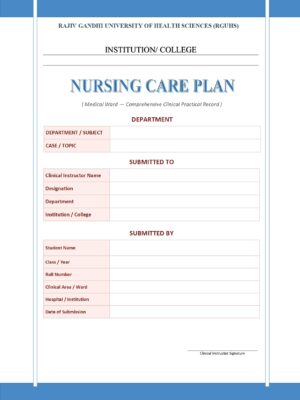
cultural and religious considerations in nursing care to effectively embrace cultural diversity and provide patient-centered care. Discover how nurses can respect different cultural beliefs while maintaining high-quality healthcare
Table of Contents
Cultural Diversity in Nursing:
Definition:
Cultural diversity refers to the variety of cultural or ethnic groups within a society. It encompasses differences in beliefs, values, customs, and practices that affect how individuals perceive health, illness, and care.
Key Concepts:
- Culture: An integrated system of learned beliefs, values, and customs that influence behavior, thinking, and interactions.
- Nursing Code of Ethics: Nurses are committed to providing high-quality care to all patients. They do so regardless of race, gender, age, disability, or socioeconomic status.
Influences of Culture on Health:
- Perception of Health and Illness: Culture shapes how individuals understand health, illness, and wellness.
- Expression of Pain: Cultural background affects how people experience and communicate pain.
- Help-Seeking Behavior: Culture influences how people seek and accept care, as well as their preferred healers.
- Definition of Symptoms: Cultural perspectives decide what is considered a symptom or health issue.
Cultural Considerations in Nursing Practice:
- Understanding Cultural Impact: Nurses need to understand how cultural groups:
- Define health and illness.
- Keep wellness.
- Believe illness is caused.
- Use healers for care and cure.
- Three Cultural Systems in Nurse-Patient Encounters:
- Setting: The healthcare environment.
- Nurse: The nurse’s own cultural background.
- Patient: The patient’s cultural beliefs and practices.
Cultural Sensitivity in Care:
- Pain Management: Not all cultures express or respond to pain the same way. Social and cultural backgrounds significantly influence how pain is perceived, experienced, and communicated. Nurses should ask patients about their cultural preferences concerning pain and care.
- Communication: Never assume a patient’s beliefs or values. Always ask questions to clarify their cultural needs.
Cultural and Religious Considerations in Nursing Care: Short Notes
Nurses must recognize and respect the cultural and religious beliefs of their patients. These beliefs can significantly influence care preferences. They affect decision-making and interactions with healthcare providers. Below are key beliefs and nursing considerations for various cultural and religious groups:
Hinduism
- Beliefs:
- Many dietary restrictions, including no beef or veal. Some may be strict vegetarians.
- Illness or injury is often seen as a result of sins committed in an earlier life.
- Hinduism is a multi-deity religion with many rituals.
- Considerations:
- Respect dietary restrictions and make sure food offerings align with beliefs.
- Be mindful of religious practices and rituals that may impact treatment decisions.
- Hindus generally accept most modern medical practices.
Islam (Muslim/Moslem)
- Beliefs:
- Prohibition of all pork products.
- Ritual washing is required before prayers (3-5 times daily).
- Family consultation before accepting treatment is common.
- Autopsy may be opposed due to religious beliefs.
- Considerations:
- Respect dietary restrictions and offer alternatives to pork products.
- Allow for ritual washing and prayer times.
- Family involvement is crucial in decision-making.
- Be mindful of religious opposition to autopsies.
Pentecostal Christians
- Beliefs:
- Abstain from alcohol, eating blood, strangled animals, or food containing blood; some avoid pork.
- Illness may be viewed as divine punishment.
- Considerations:
- Respect dietary restrictions, including abstaining from certain foods.
- Offer spiritual support if illness is perceived as divine punishment.
- Handle the patient’s pain and illness within the context of their faith.
General Cultural and Religious Considerations
- Family Influence:
- Families may prefer to stay with the deceased until they are placed in a funeral home.
- In some cultures, the family may not want the deceased to go to the morgue right away.
- Assessing Pain:
- Ask the patient how they prefer to be addressed to respect cultural preferences.
- Be sensitive to personal space and avoid body language that could be seen as offensive.
- Use open-ended questions to encourage the patient to express their needs.
- Communication:
- Keep eye contact when culturally appropriate, but be aware of cultural norms.
- Speak directly to the patient, using a speech rate and style that promotes understanding and respect.
- Always assess the patient’s literacy level before using written materials for teaching.
COURSES
-
National Newborn Week 2026: Essential Newborn Care Every Nurse Should Know
National Newborn Week is 15–21 November. A simple guide to essential newborn care: the first hour, warmth, breastfeeding, vitamin K, birth vaccines, HBNC visits and danger signs.
-
Diabetic Foot Care Nursing: Assessment, Risk Levels and Patient Teaching
A practical diabetic foot care nursing guide: IWGDF risk categories, how to assess the foot, the monofilament test, daily self-care teaching and when to refer.
-
World Diabetes Day 2026: Early Action on Diabetes and the Nurse’s Role
World Diabetes Day 2026 (14 Nov) focuses on early action. Learn India’s diabetes figures, NP-NCD screening, warning signs, diagnostic values, hypoglycaemia care and how nurses can lead early action.
-
National Newborn Week 2026: Essential Newborn Care Every Nurse Should Know
National Newborn Week is 15–21 November. A simple guide to essential newborn care: the first hour, warmth, breastfeeding, vitamin K, birth vaccines, HBNC visits and danger signs.
-
Diabetic Foot Care Nursing: Assessment, Risk Levels and Patient Teaching
A practical diabetic foot care nursing guide: IWGDF risk categories, how to assess the foot, the monofilament test, daily self-care teaching and when to refer.
-
World Diabetes Day 2026: Early Action on Diabetes and the Nurse’s Role
World Diabetes Day 2026 (14 Nov) focuses on early action. Learn India’s diabetes figures, NP-NCD screening, warning signs, diagnostic values, hypoglycaemia care and how nurses can lead early action.
Educational Disclaimer
The information in this article is provided for educational and informational purposes only, aimed at students and faculty in Nursing, Medical, Paramedical, and allied Health Science programmes. It is not medical advice, diagnosis, or treatment, and must not replace guidance from a qualified physician, nurse, or licensed healthcare professional.
While we review all content carefully and align it with recognised syllabi (INC, RGUHS, state nursing councils), medical knowledge evolves rapidly. Always verify clinical procedures, drug doses, and protocols against your institution's current guidelines before applying them in patient care.
For complete terms, see our Disclaimer. Found an error? Let us know.
You May Also Read
National Newborn Week 2026: Essential Newborn Care Every Nurse Should Know
National Newborn Week is 15–21 November. A simple guide to essential newborn care: the first hour, warmth, breastfeeding, vitamin K, birth vaccines, HBNC visits and danger signs.
Diabetic Foot Care Nursing: Assessment, Risk Levels and Patient Teaching
A practical diabetic foot care nursing guide: IWGDF risk categories, how to assess the foot, the monofilament test, daily self-care teaching and when to refer.

Honey for Wound Healing: Tibb-e-Nabawi Wisdom and Modern Nursing Evidence
What the Qur'an and Sunnah say about honey, what the Cochrane review found about honey for wound healing, and the safety rules every nurse must follow.
Nursing Case Study Format: How to Write One, with a Sample and Common Mistakes
A clear nursing case study format for B.Sc, GNM and Post Basic students: every section explained, a short worked sample on pneumonia, marking tips and common mistakes.